Mattai’s Free Game: Critical Minerals, Geopolitics and Sierra Leone Mining
If there was any doubt before Trump 2.0, certainly since January 2025, that doubt is no more. The World is going through a period of rewiring. Between the evolving defense needs of global superpowers, the clean energy transition, and AI mass adoption everyone is looking for the exact same thing: critical minerals.
I heard it firsthand from State Department reps at the Future Minerals Summit in Riyadh this January: the US is in a race to create a pipeline to stockpile critical minerals to catch up with China.
And guess where those minerals are? Here, En Afrique, surtout chez nous!
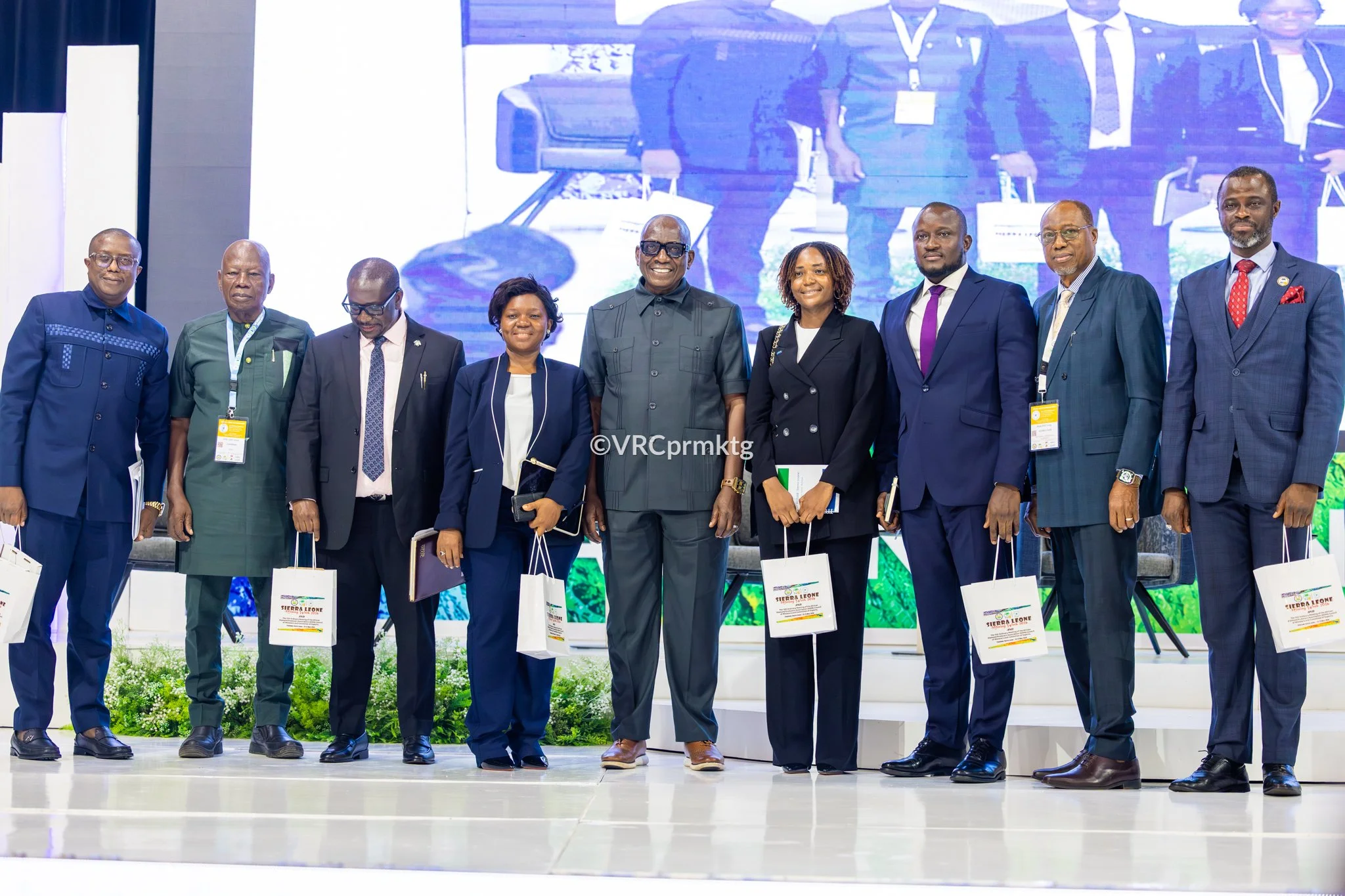
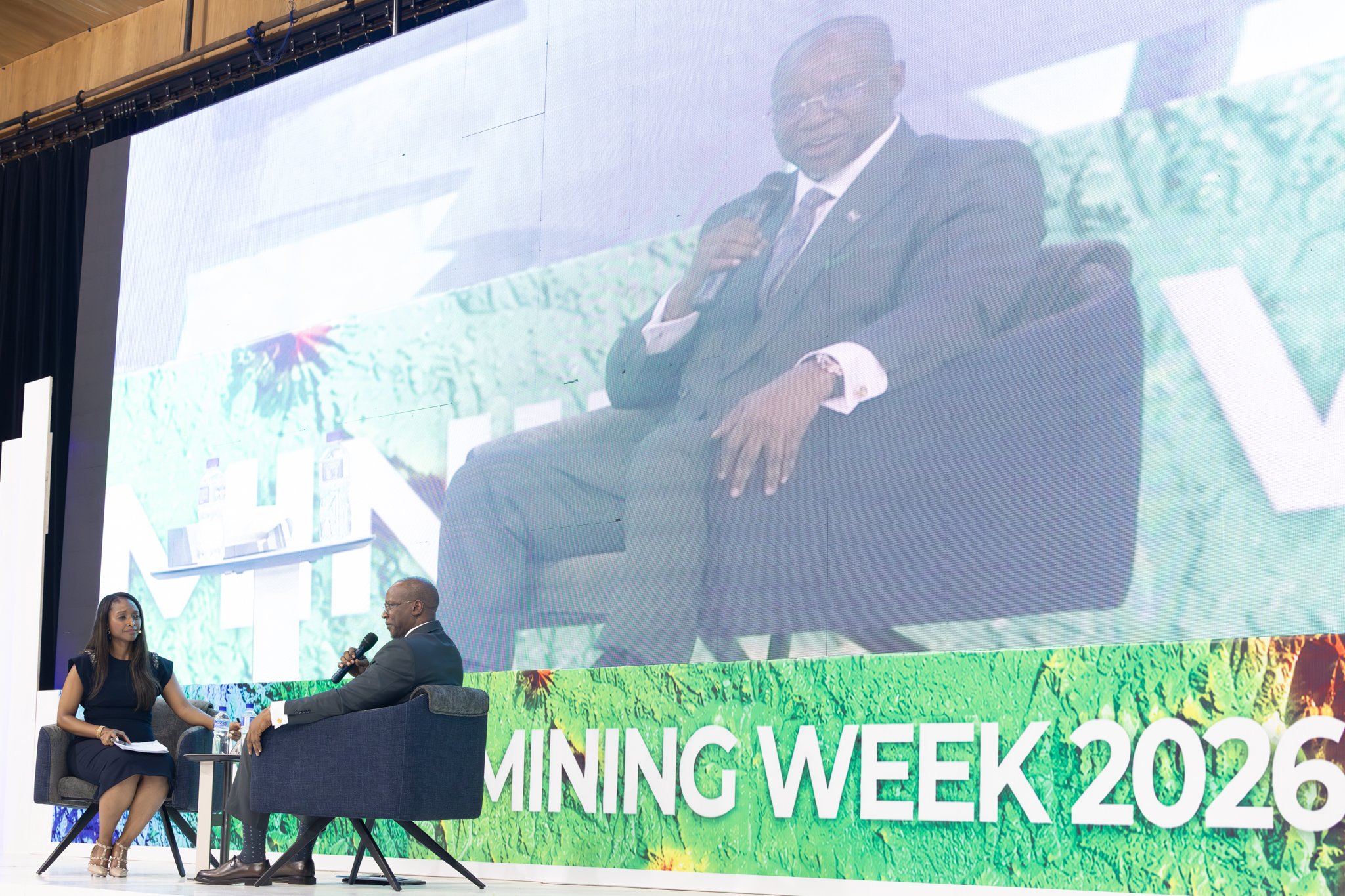
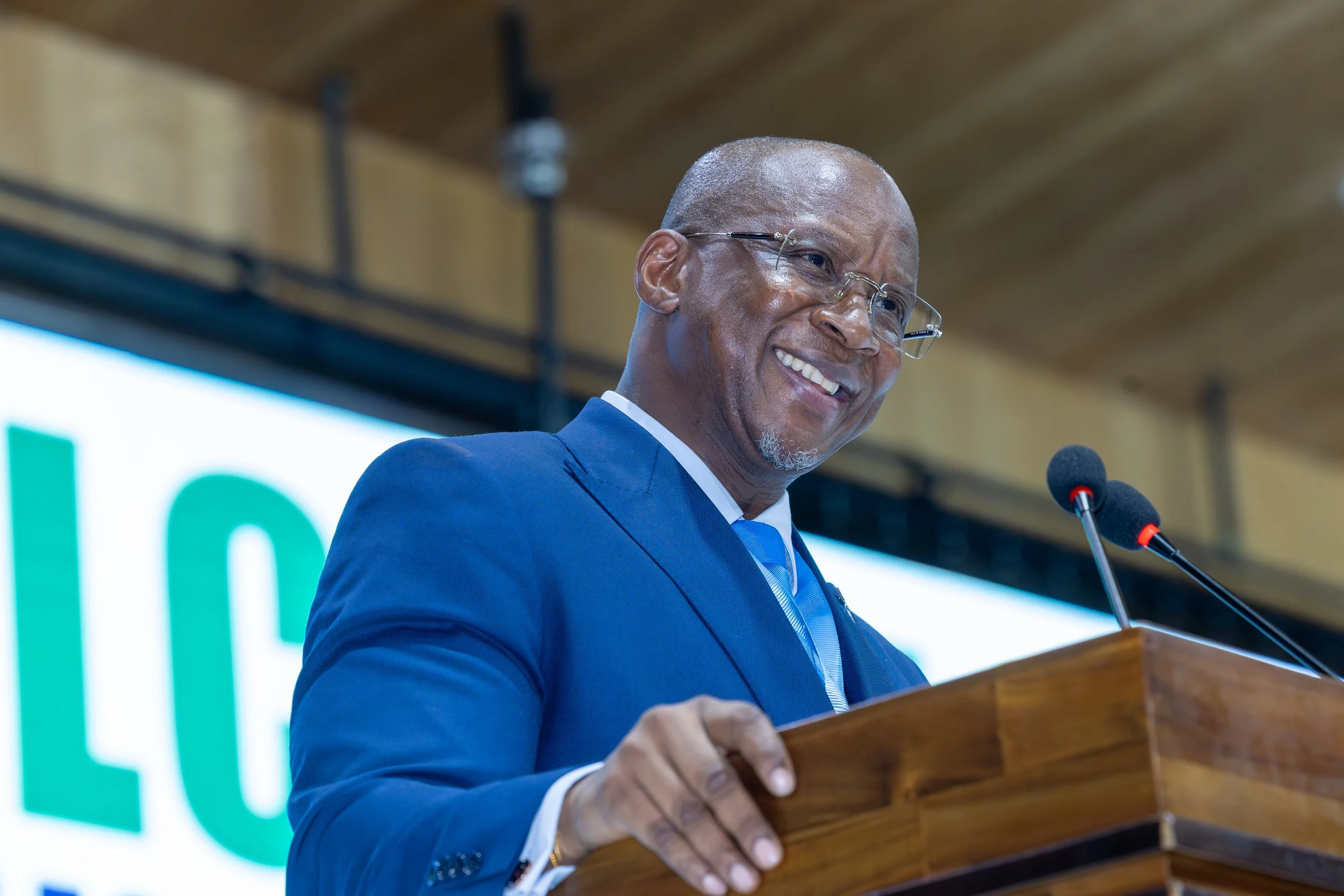
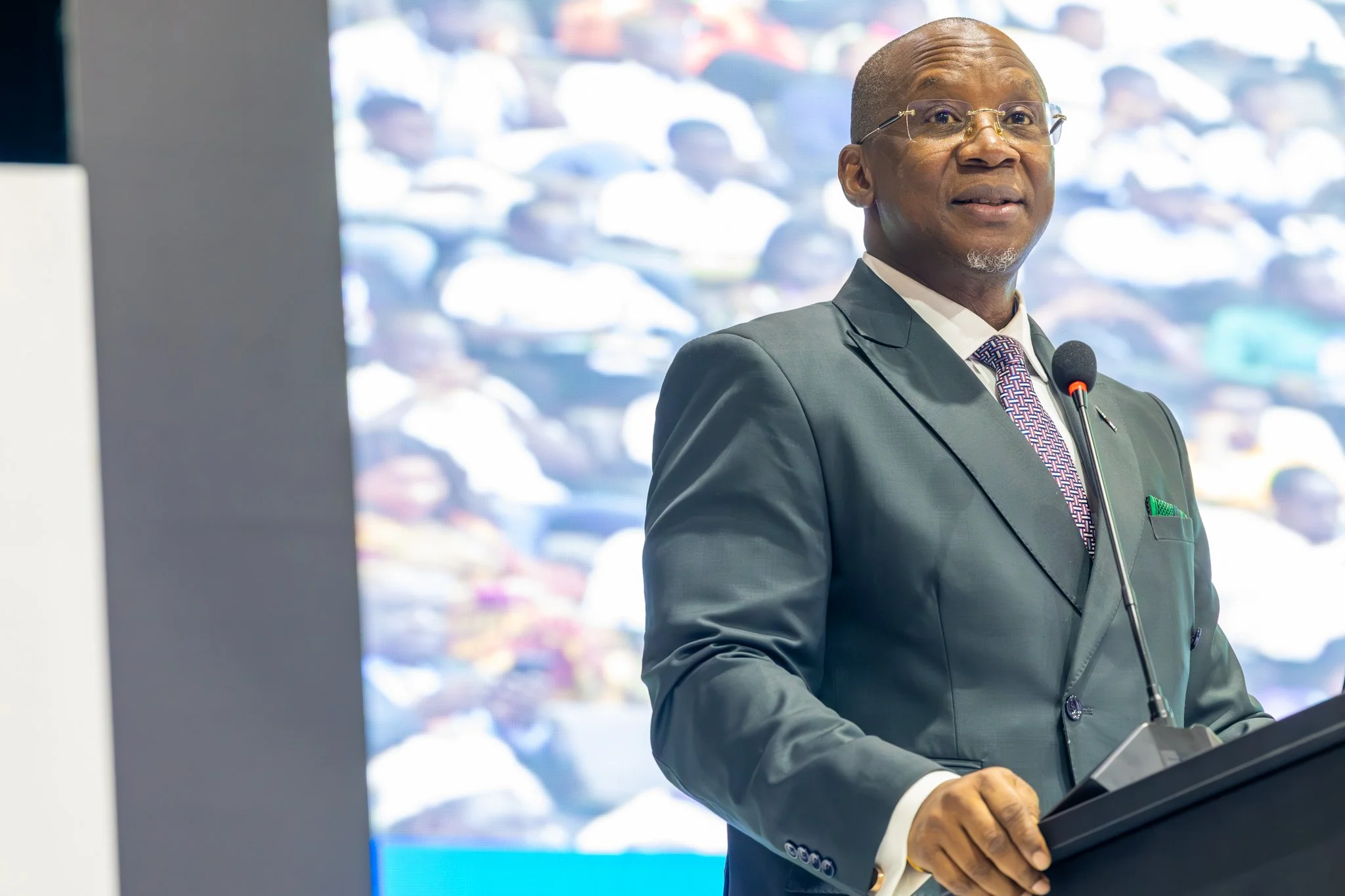
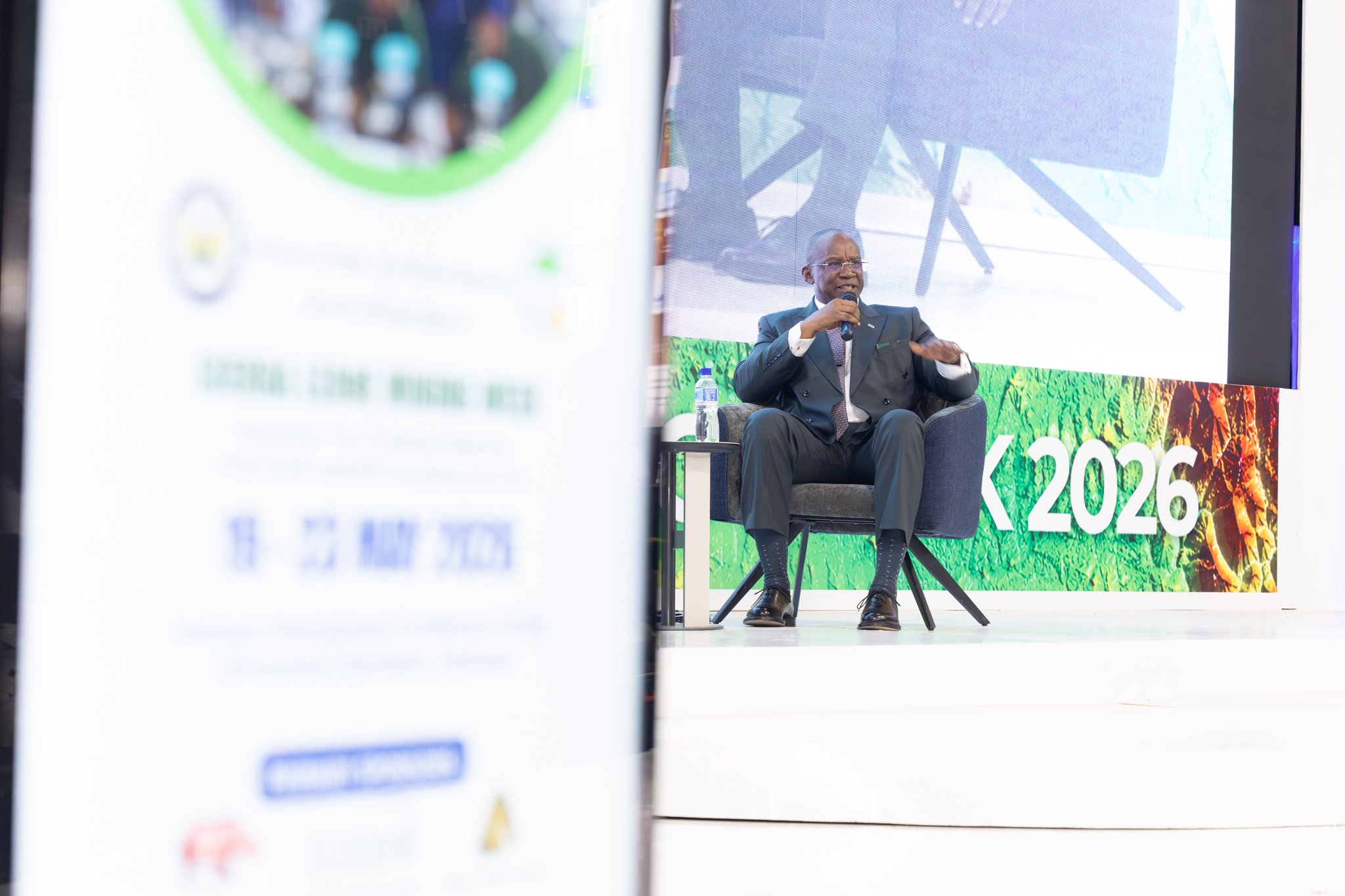
At the Sierra Leone Mining Week 2026, held at the Freetown International Conference Centre, the Minister of Mines and Mineral Resources, Julius Daniel Mattai, spoke about the new race for critical minerals and laid out how Sierra Leone plans to navigate this high-stakes scramble.
If you want to understand the intersection of geopolitics, African sovereignty, and the future of our wealth, here are 5 lessons from Mattai.
Lesson 1: Open for Business Does Not Mean Open for Capture
Let's start with the baseline. As global powers from Washington and Brussels to Beijing and Moscow look toward Freetown, the big question has been: Where does Sierra Leone stand? Earlier this year, Washington offered Salone and other African countries an America-first minerals deal that would have given the former first dibs and the right of first refusal on all minerals.
DRC signed an MOU. Sierra Leone said no (even when it was hinted that acquiescing could mean the end to the travel ban).
Mattai said Sierra Leone must stand on her own ground, with her own minerals, in service of her own people.
"We are open for business. We are not, however, open for capture."
This is a crucial distinction for any developing nation. True leadership means welcoming investment but not to sell our birthright fo koko ebe. The global hunger for lithium, platinum group metals, cobalt, copper, chromite, graphite, and rare earth elements is a massive opportunity, but only if it is managed properly. Sierra Leone must draw a hard line between mutually beneficial partnerships and economic exploitation.
Lesson 2: Understand the Global Playbooks (Read the Original Text)
You cannot negotiate effectively if you don’t understand what the person across the table wants. Mattai pointed out that the world’s major powers have already deployed distinct strategies to secure mineral supplies:
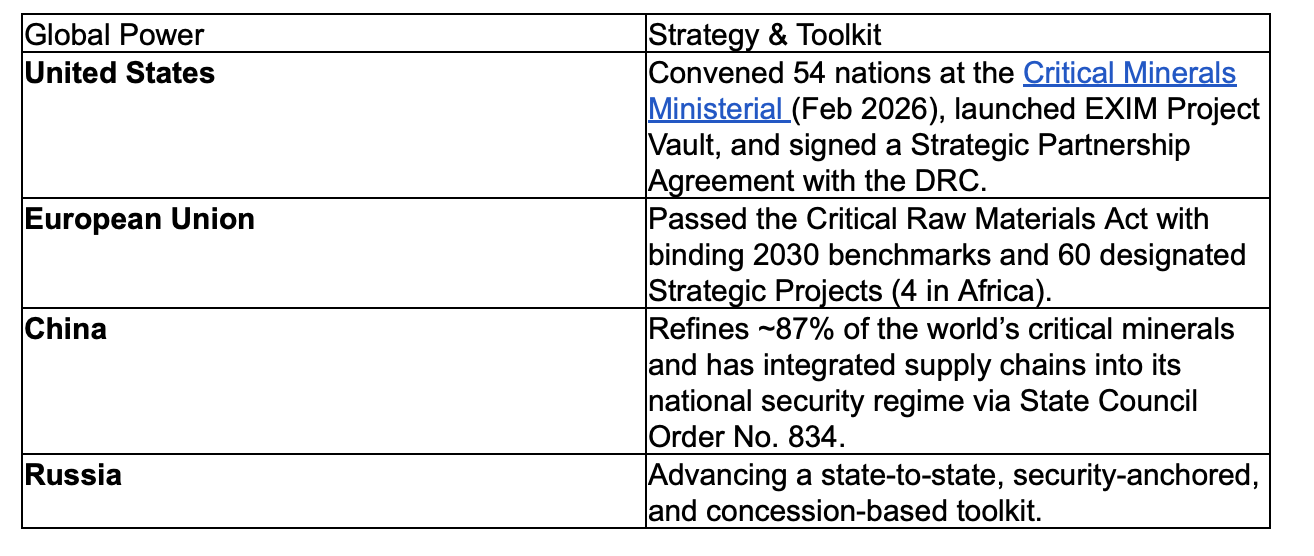
Mattai’s lesson here is a free game for African policymakers: Do not rely on summaries. He has read these international acts, policies, and constitutional challenges in their original texts. Leadership means doing the homework so that you never sign what you haven't read, and you never concede what you haven't thoroughly deliberated.
If you’re not going to do the homework, you will fail.
Lesson 3: Move from "Ore to Product" (The Power of Value Addition)
In my last article (go read it), I talked about the tragic loop of African mining—export raw dirt, ship it overseas, and buy it back as expensive finished goods. Sierra Leone must wean itself. Time don rich fo make we lef da bobi day.
Through the National Strategy for Critical Minerals (2026–2031), the country is looking to focus on value addition at source.
The goal is a deliberate climb up the value chain:
Raw Ore →Concentrate
Concentrate →Refined Chemical
Refined Chemical → Component
Component→ Finished Product
By 2031, Sierra Leone plans to have three to five processing and beneficiation facilities operating locally, anchored by a dedicated Critical Minerals Special Economic Zone. The new target is to build industries at home.
Lesson 4: Set Concrete, Public, and Unapologetic Targets
Good leaders don't just speak in vague aspirations; they set measurable goals and hold themselves accountable. Sierra Leone’s National Strategy has put concrete numbers on the board for what "shared prosperity" actually looks like by 2031:
$2.5 Billion in attracted investment.
$300 Million in annual government revenues.
$1.5 Billion in annual export value from processed products.
45,000 direct and indirect jobs.
15,000 skilled local workers trained.
20% to 50% phased local procurement.
The ultimatum from leadership is simple: if a project doesn't visibly benefit the host community, the country, and the continent, it WILL NOT see the light of day.
Lesson 5: Act as a Continent, Not an Island
Perhaps the most refreshing takeaway from Minister Mattai’s address is the rejection of the "divide and conquer" geopolitical game. Sierra Leone’s strategy is to stand within a broader Pan-African movement.
That means embracing the collective negotiating anchored in the African Mining Vision (2009) and the African Green Minerals Strategy (February 2025). Resource nationalism is rising across the continent for good reason:
13 African states have restricted raw mineral exports since 2023.
Malawi, Zimbabwe, Tanzania, and Ghana have instituted bans on raw mineral or lithium exports.
The DRC and Zambia are co-launching a trans-boundary battery and electric vehicle special economic zone.
When global powers try to negotiate with 54 separate African suppliers to trigger a race to the bottom, African nations must insist on speaking with one coherent voice.
The Bottom Line
Minister Mattai beautifully mocked the sudden Western and Eastern enthusiasm for Africa’s geological wealth, joking that the developed world has suddenly realized the periodic table runs straight through Africa and is "most anxious to teach Africans how to read it."
But being the home of Black Africa's oldest Western-style university has its perks—science and economics have been in Fourah Bay College's curriculum for two centuries. Make nobody no worry if we sabi read the periodic table. What Sierra Leone is trying to master is negotiations.
This is Africa’s moment, but only if we actively make it so. By demanding mutual respect, enforcing local processing, and prioritizing the African child first, Sierra Leone is setting a brilliant example of how modern African nations can turn a global resource scramble into shared, lasting prosperity.