Why Some Communities in Sierra Leone Are Missing Out on Mining Money
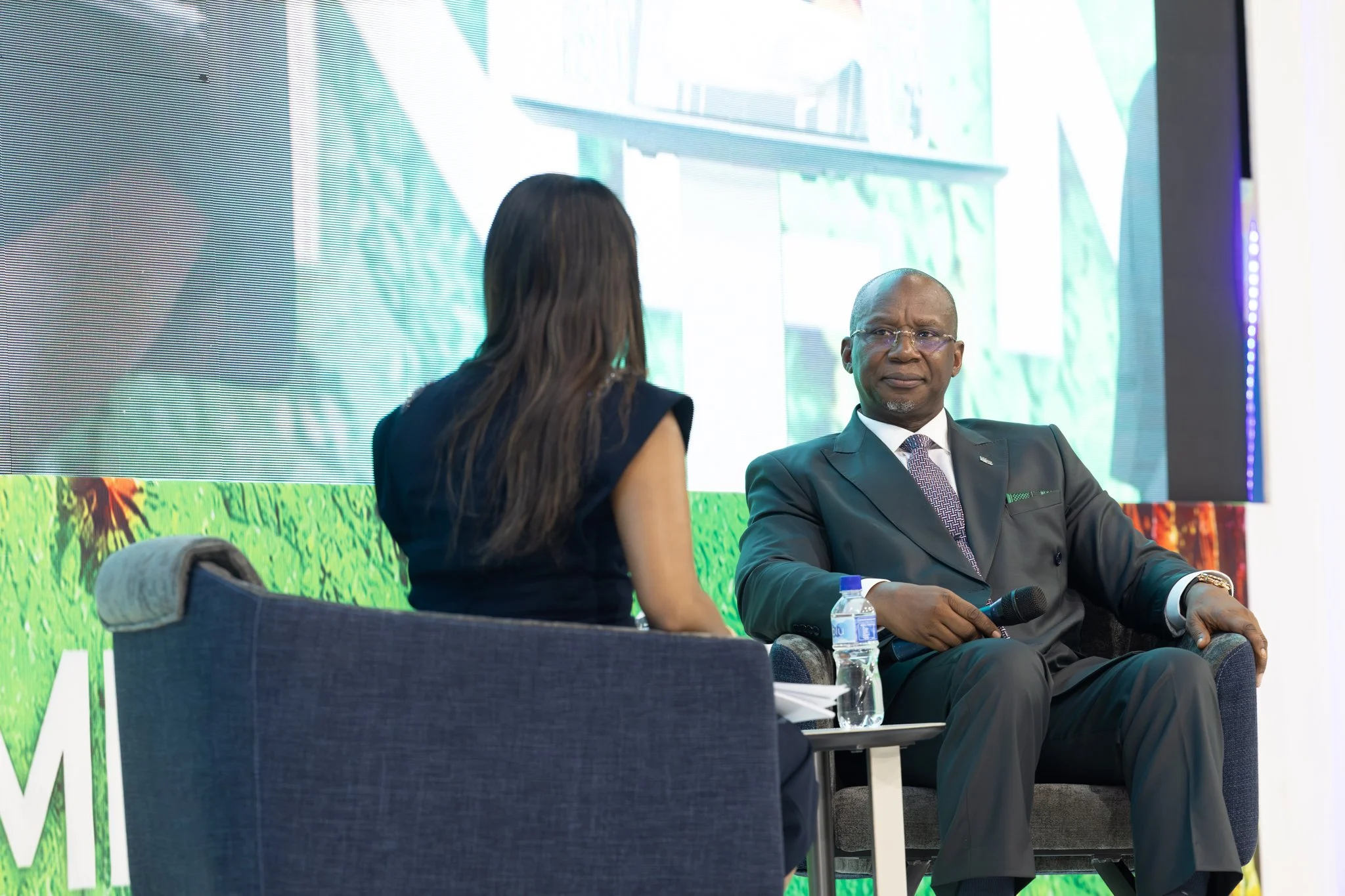
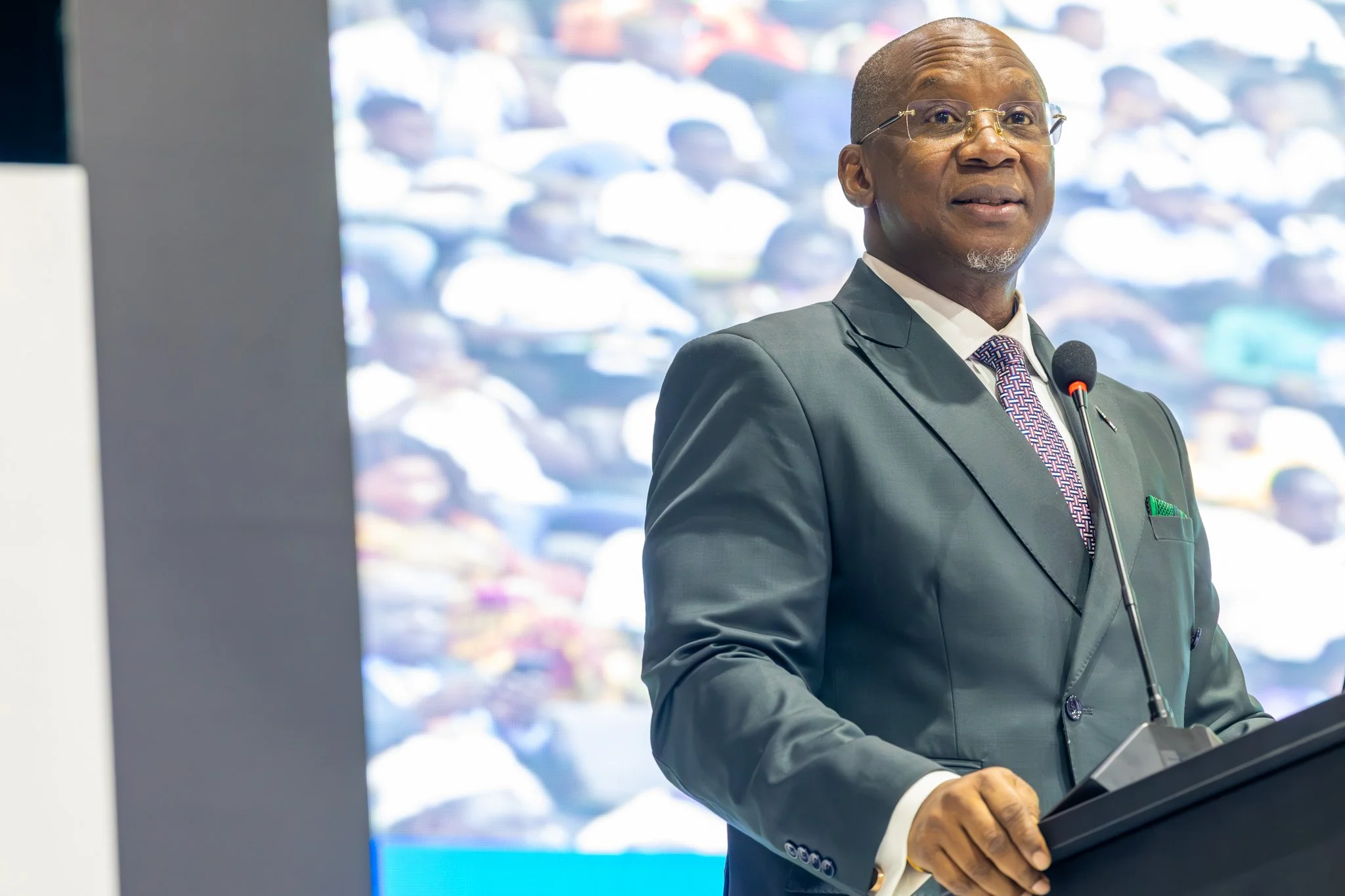
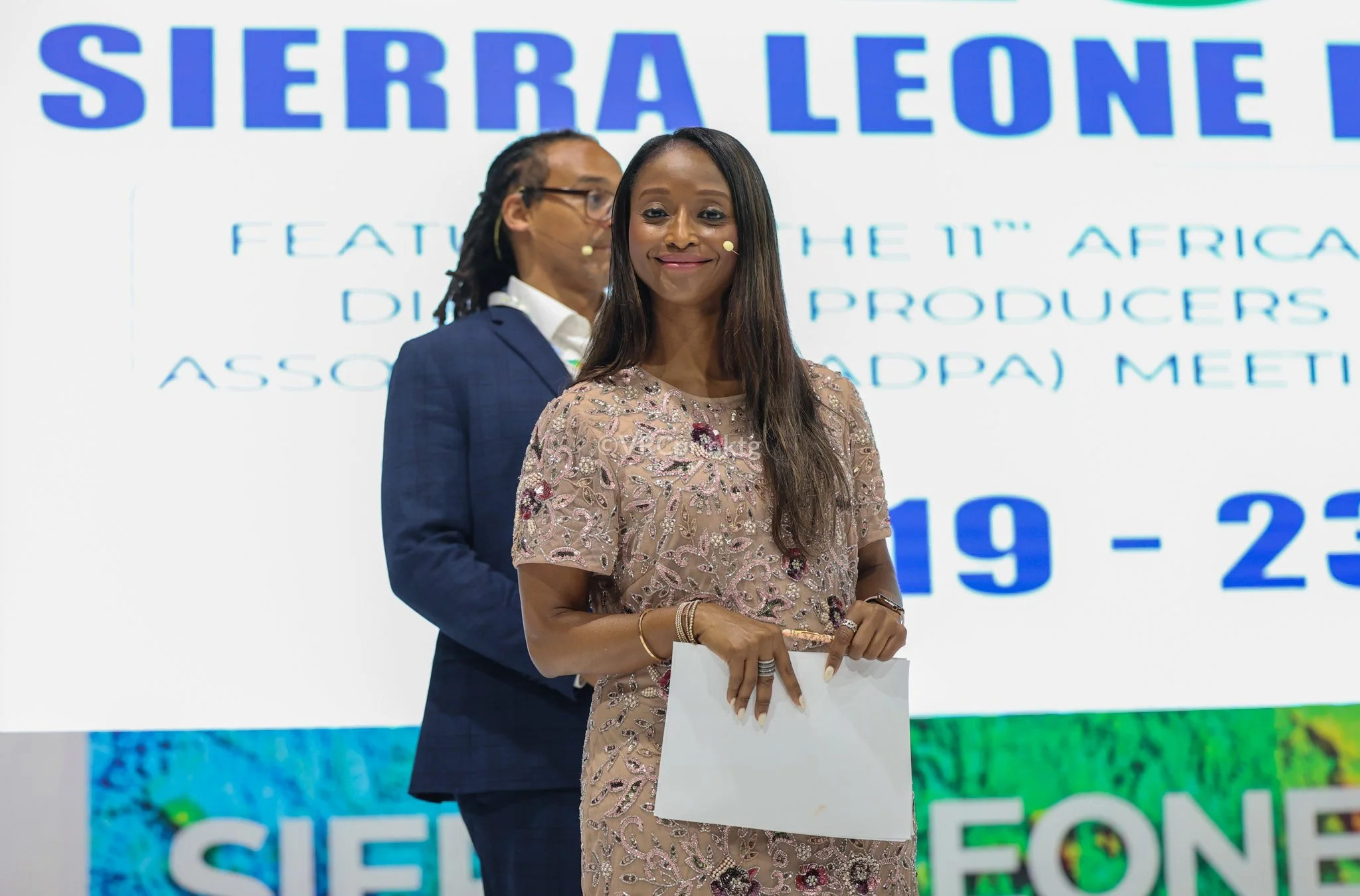
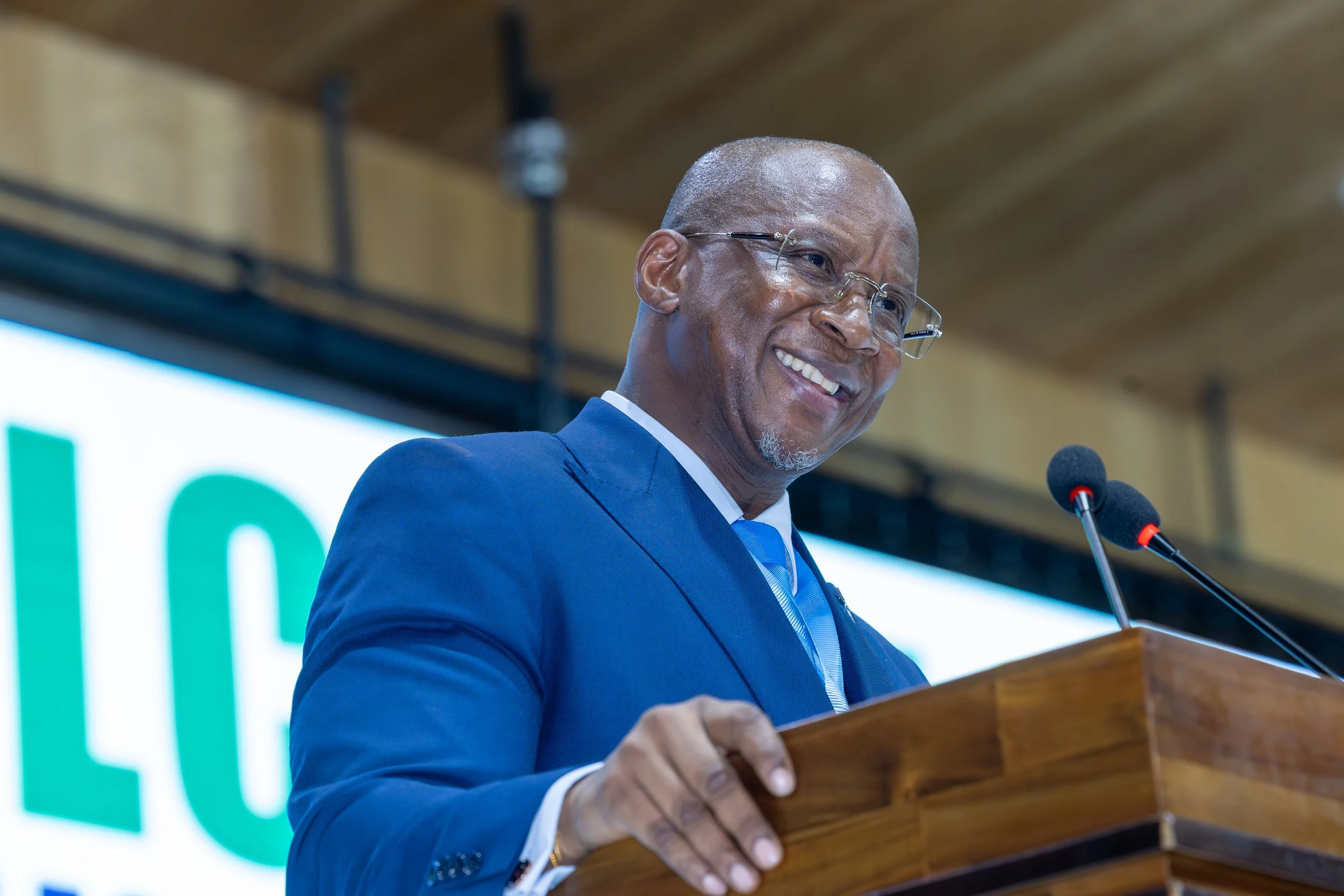
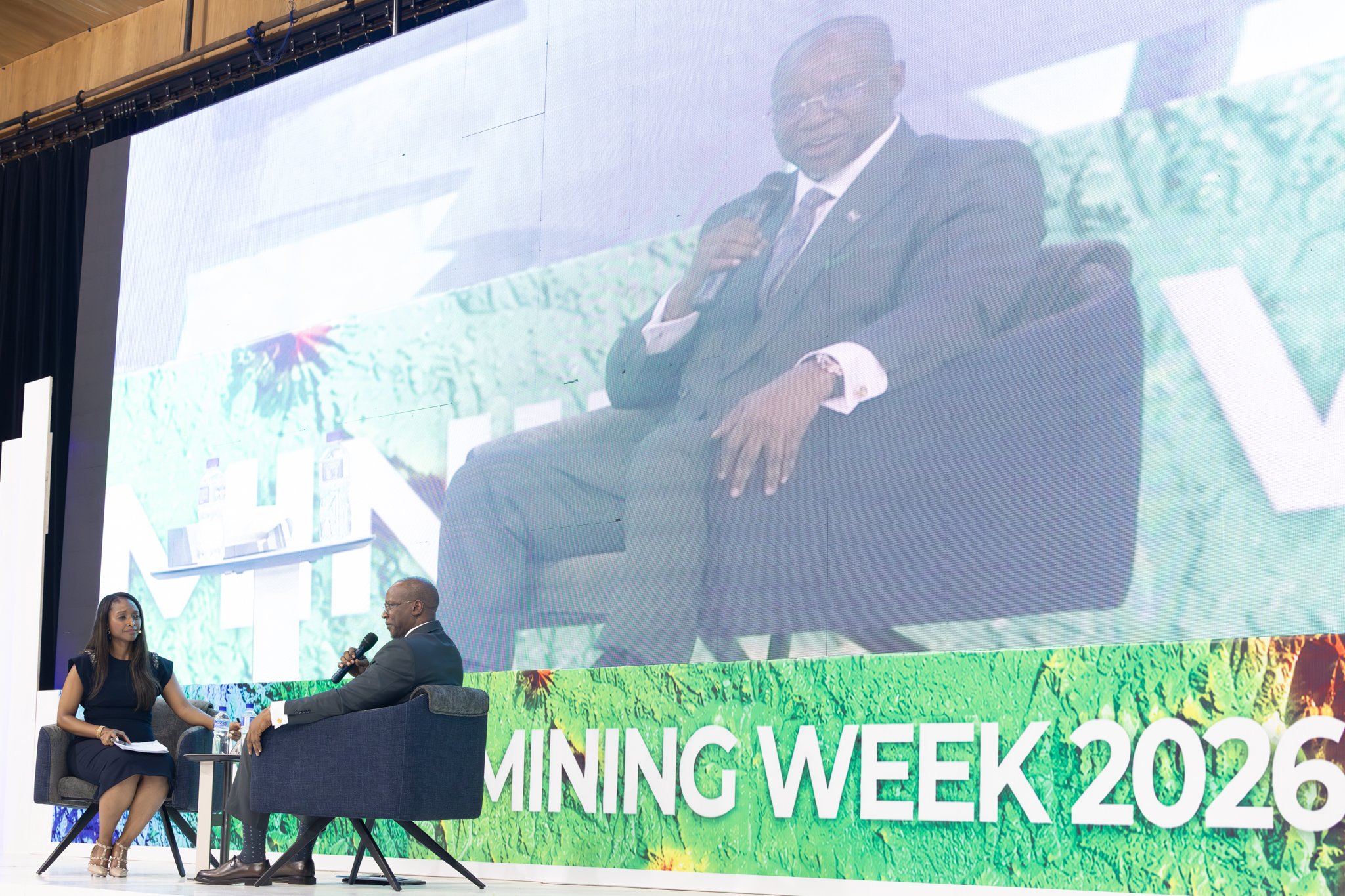
Mr. Julius Mattai, Minister of Mines and Mineral Resources, Sierra Leone with Isha Sesay in a fireside chat the National Mining Week.
A global visibility feature, straight from my heart and the team at Make Sierra Leone Famous, in partnership with the National Minerals Agency (NMA), as we dive deep into our nation's journey toward resource ownership and diversification during Mining Week 2026 (May 19 - 23).
A professor at Fourah Bay College sent me a WhatsApp to ask where the Le99 million paid to Tonkolili went because the last time she checked, the district was cash poor.
She has every right to ask me. I just published an article amplifying the 1% revenue paid to their Community Development Fund.
Even VP Juldeh asked rhetorically, “Where does the money go?” in his Mining Week address.
Usai di money day go? How do local communities actually benefit from the wealth under their feet?
On April 29 this year, Leone Rock Metal Group (previously Kingho) paid Le. 99 million ($4.3 million) into Tonkolili District's Community Development Fund (CDF). Around the same time last year, they paid Le. 62 million ($2.5 million). That’s a total of $6.8 million paid in the last 13 months.
Tonkolili has an estimated population of half a million people. While it is north of Freetown, it is also the center-most part of the country. Its major towns include Yele (my mom’s birthplace), Mile 91, and Yonibana (Zainab Bangura’s hometown).
I haven’t been to that part of the country since these checks started rolling in, but my question to those who have is: Do you see signs of shared prosperity?
What then happens after the big, symbolic checks are signed, photographed, and shared in the media? How does that money turn into schools, clinics, clean water, and roads?
Today at the second day of Mining Week, during a fireside chat between Isha Sesay and Mr. Julius Mattai, our Minister of Mines and Mineral Resources, I had a chance to ask Mr. Mattai about the people’s money. I wanted to know how the Ministry ensures that CDF funds go where they must.
As with most things in Sierra Leone, the law is great—na di implementation na day di wahala day.
The Blueprint: Who Decides Where the Money Goes?
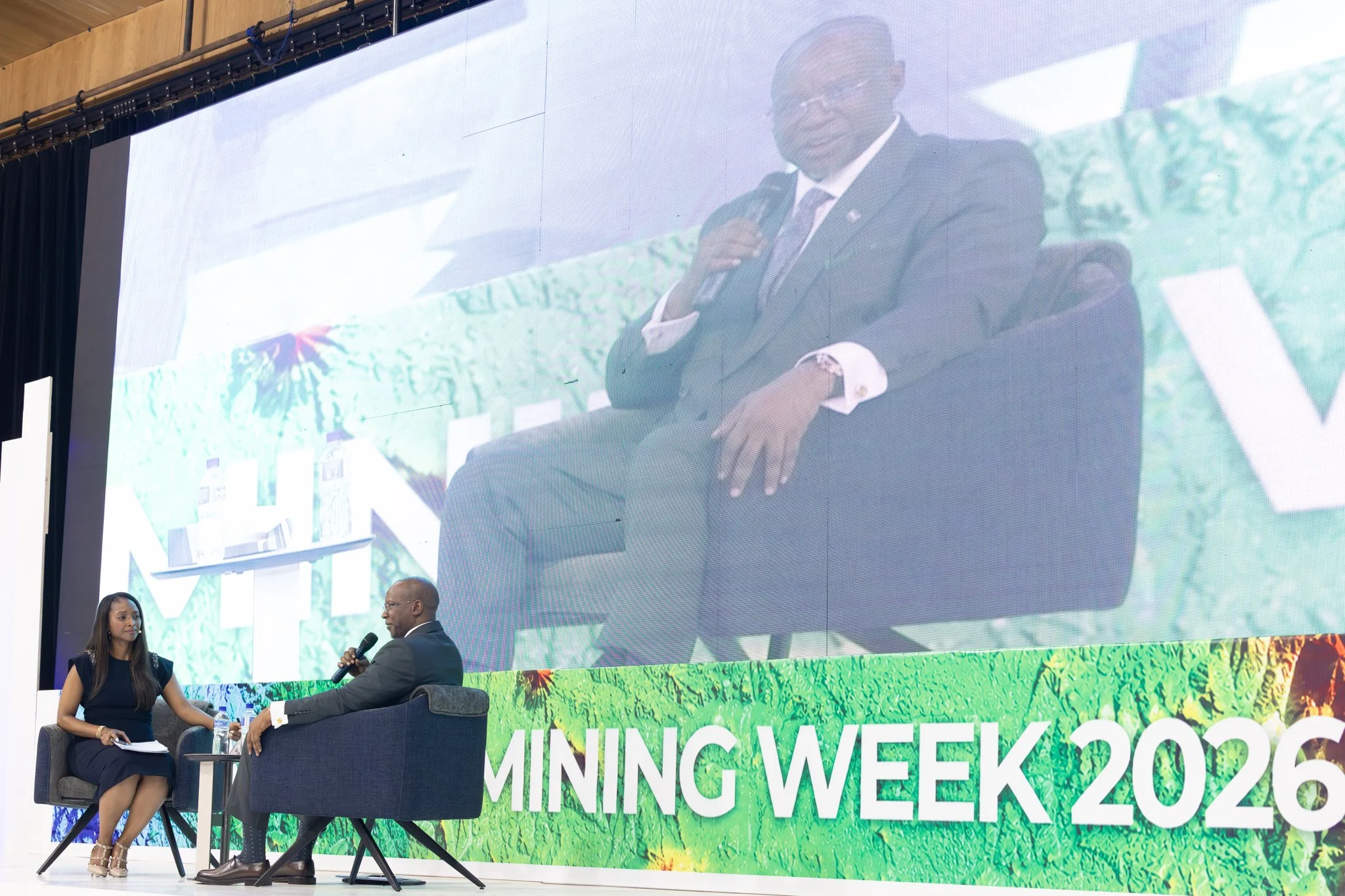
Minister Mattai was quick to point out that this isn't a top-down operation where NMA or his Ministry dictates what a village in Tonkolili needs. The law sets up a hyper-local structure.
Every mining community is supposed to have a Community Development Committee (CDC) made up of local stakeholders. The CDC must include local council reps, development planning officers, and environmental social officers from the Environmental Protection Agency (EPA).
Under the Local Government Act, these committees are legally required to conduct a formal Community Needs Assessment.
"They are supposed to assess their own needs in terms of development challenges," Minister Mattai explained.
"And they should do that in alignment with the national development plan."
Once the needs are identified, the CDC is supposed to open a dedicated CDF account at a commercial bank. From there, any contract signed or brick laid must comply strictly with the National Public Procurement Act. To keep things honest, a separate steering committee acts as an oversight body to monitor, evaluate, and account for every single cent spent.
On paper? It sounds good, right? Well, enti you know... village people get dem yon way no to so?
The Irony of the "Symbolic Check"
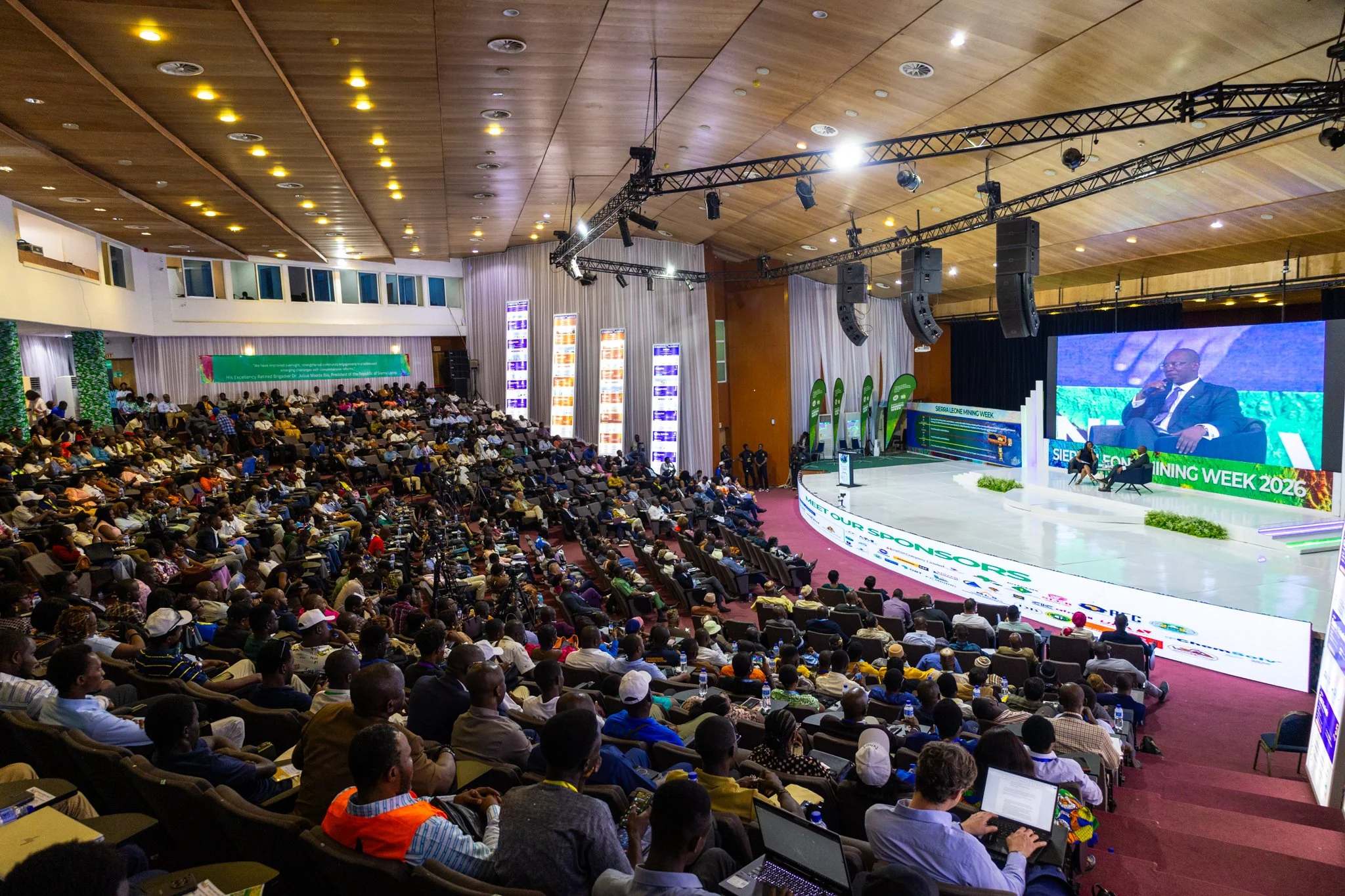
As you can imagine, there are some challenges. If you don’t have a commercial bank in the village, trusted by the community’s leaders, how di account day open? Who decides on the signatories?
Mr. Mattai hinted that some communities haven’t even touched their money because they haven't opened bank accounts yet. If anyone at Salone Commercial Bank, Ecobank, or UBA is reading this, I hope you see the opportunity. Please follow the big CDF checks and take banking to our village people.
When asked why some mining companies face accusations of withholding funds when they’ve already handed over those massive ceremonial checks, Minister Mattai dropped a truth bomb with a chuckle:
"These are just symbolic checks, it's true. Because some communities have not even opened the CDF accounts yet. Don’t ask me how or why!"
It turns out that bureaucratic foot-dragging and internal community tug-of-wars sometimes stall the setup. Even when the Ministry of Local Government urges them to open the accounts so the funds can drop, district-level coordination can move at a snail's pace.
Why Marampa and Tonkolili are Cashing In (and Why Others Are Waiting)
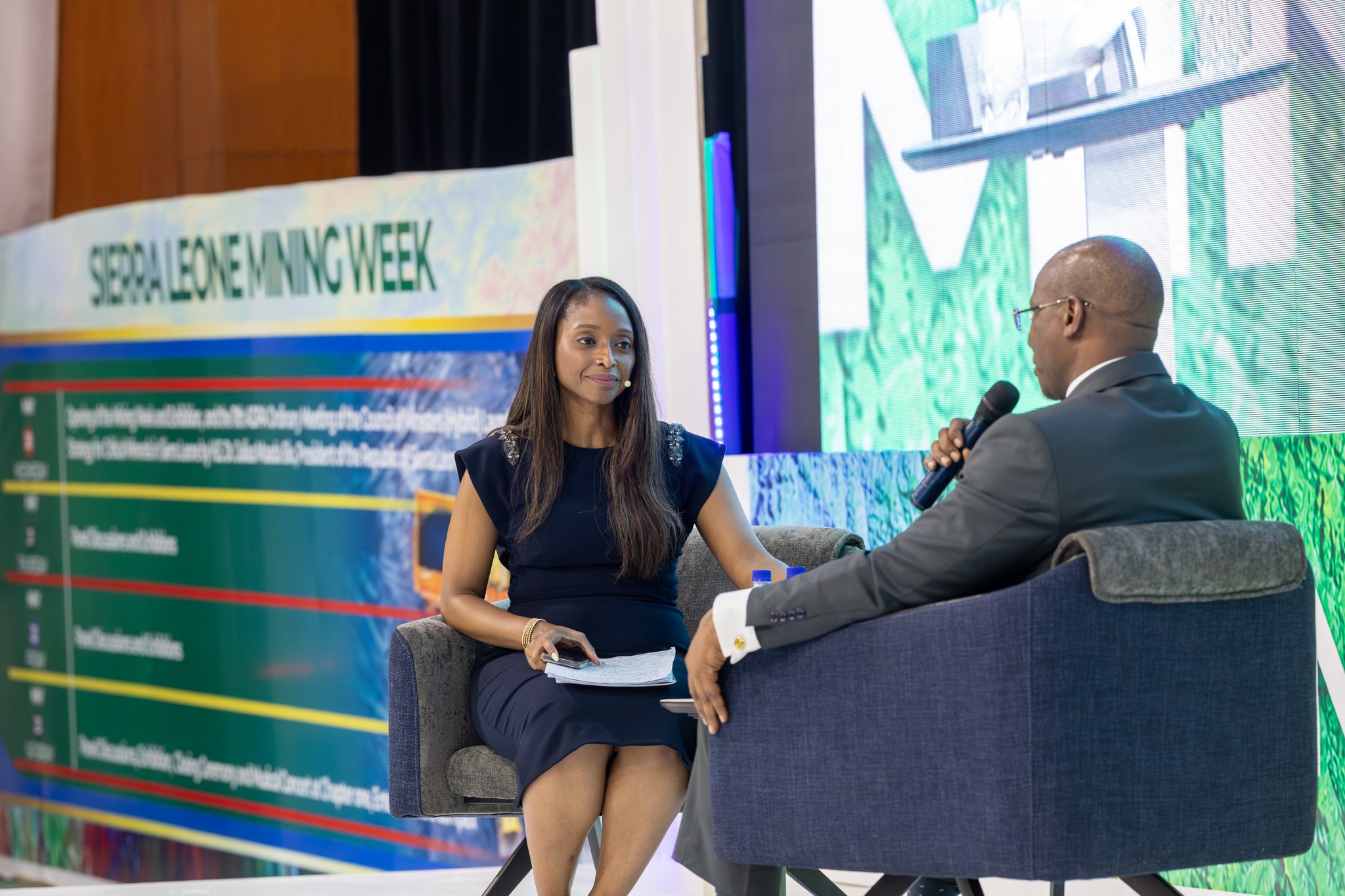
Isha Sesay
If you're wondering why districts like Marampa and Tonkolili are currently getting the lion's share of these funds while other mining areas are dry, it comes down to production readiness.
Leone Rock inherited "brownfields"—mines that already had infrastructure laid down by previous operators like African Minerals and Shandong Steel. The same was true for Marampa when they took over London Mining.
Because they didn't have to build from scratch, they went into fast-paced production and are already generating revenue.
Compare that to a project like FG Gold. They’ve been on the ground for nearly four years but haven't paid into a CDF yet. Why? Because the law says that the 1% payment is calculated from the previous year's gross revenue. Since FG Gold is still in the construction phase (non-revenue generating)—with their first gold pour expected late this year or in 2027—their host communities won't see CDF inflows until at least 2028.
Radical Transparency: Enter CoDMIS
For the skeptics, the diaspora watchdogs, and the data nerds (myself included), the most exciting news from the Minister is the launch of CoDMIS—the Community Development Management Information System coming up on day three of Mining Week.
Developed entirely in-house by tech-savvy Sierra Leoneans at the National Minerals Agency (NMA), CoDMIS, which goes online tomorrow, is a public portal designed to bring radical transparency to the sector.
[Local Mining Revenue] Sierra Leoneans can now track:
Surface Rents
Land Lease Agreements
Community Development Funds (CDF)
Chiefdom-Level Expenditures
Once it's live, anyone, anywhere in the world, can log on and track exactly how much money a mining company paid, what the land lease agreements say, and how much has been drilled down to specific chiefdoms by year.
"If there’s ever any disparity, then you know who is involved... and we can actually go over and look at corrective measures," says Mattai.
It’s a tool built to shift the power back to the citizens, ensuring that "local content" isn't just a buzzword, but a measurable reality.
The infrastructure for accountability is being built, and it’s homegrown. Now, the ball is in the court of our local leaders and community structures to open those accounts, sit at the table, and ensure that $4 million transforms lives on the ground.
Let’s change the narrative. The issue here isn't about stolen money; it’s about communities stepping up, owning their power, and taking absolute charge of their funds. Total transparency starts from the grassroots. And for the communities whose mines haven't started earning yet? Consider this your grace period. Get organized now, build your capacity, and lay the groundwork so that when the money starts flowing, nobody can play with your future.