Uphill Work: Sierra Leone’s Plan to Rewire African Mining
INSIDE THE MINE | AFRICA
Uphill Work: Sierra Leone’s Plan to Rewire African Mining
“Minerals in the ground are only potential. Minerals governed well become prosperity.” - Julius Mattai
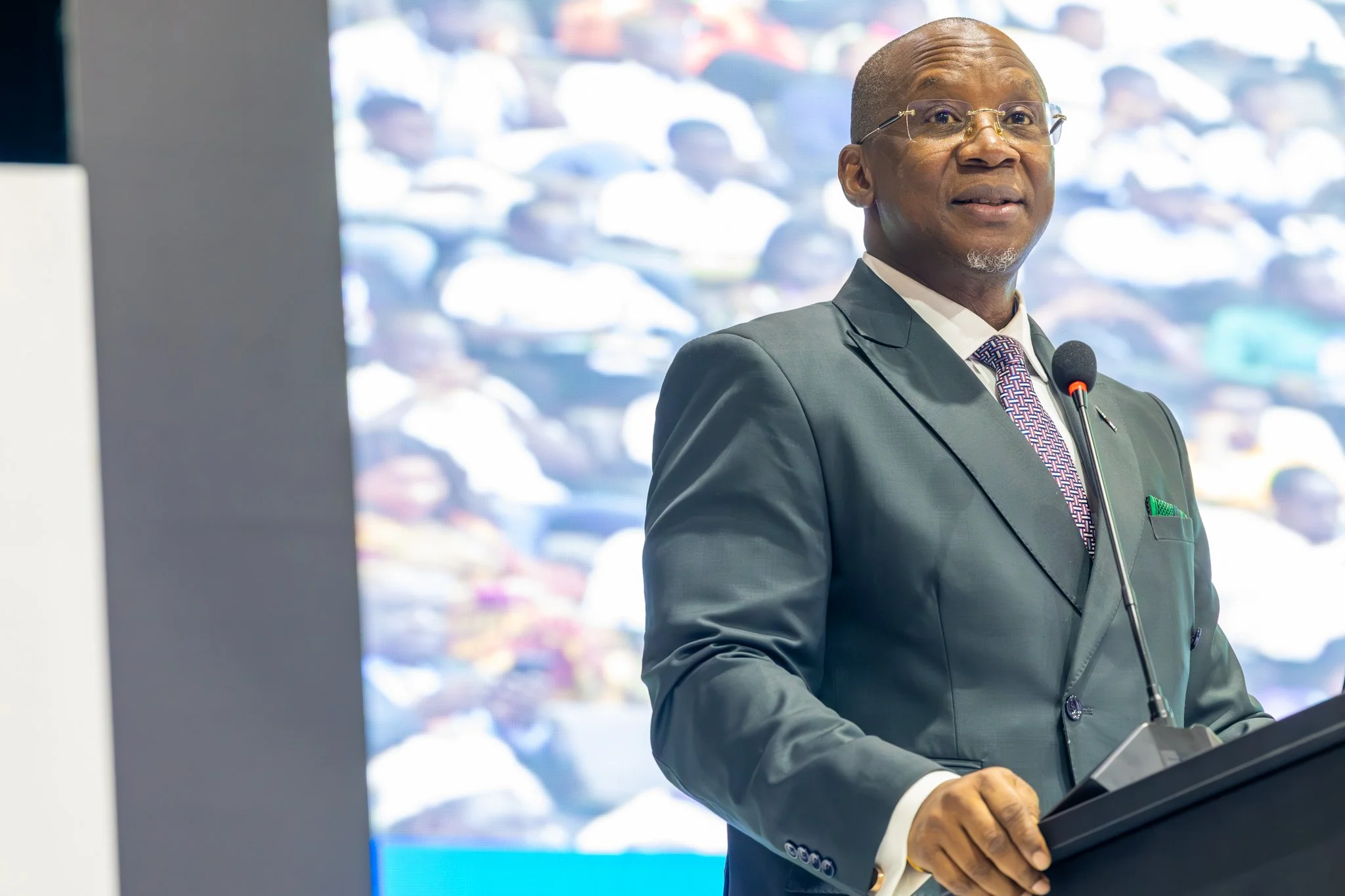
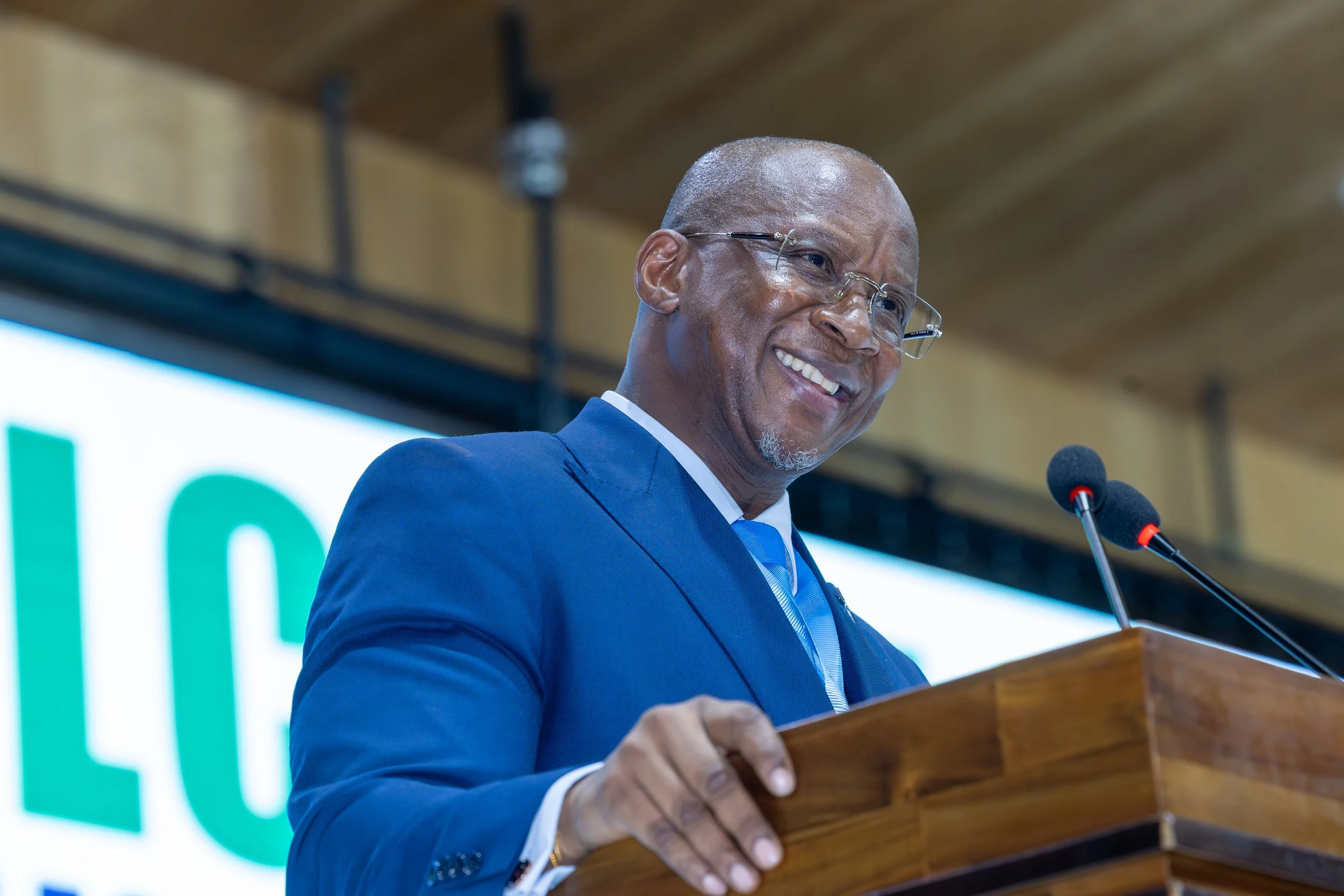
Julius D. Mattai, Sierra Leone’s Minister of Mines and Minerals Resources gives opening address at the official launch of the second edition of Mining Week at the Freetown International Conference Centre, Freetown, Sierra Leone, May 20, 2026
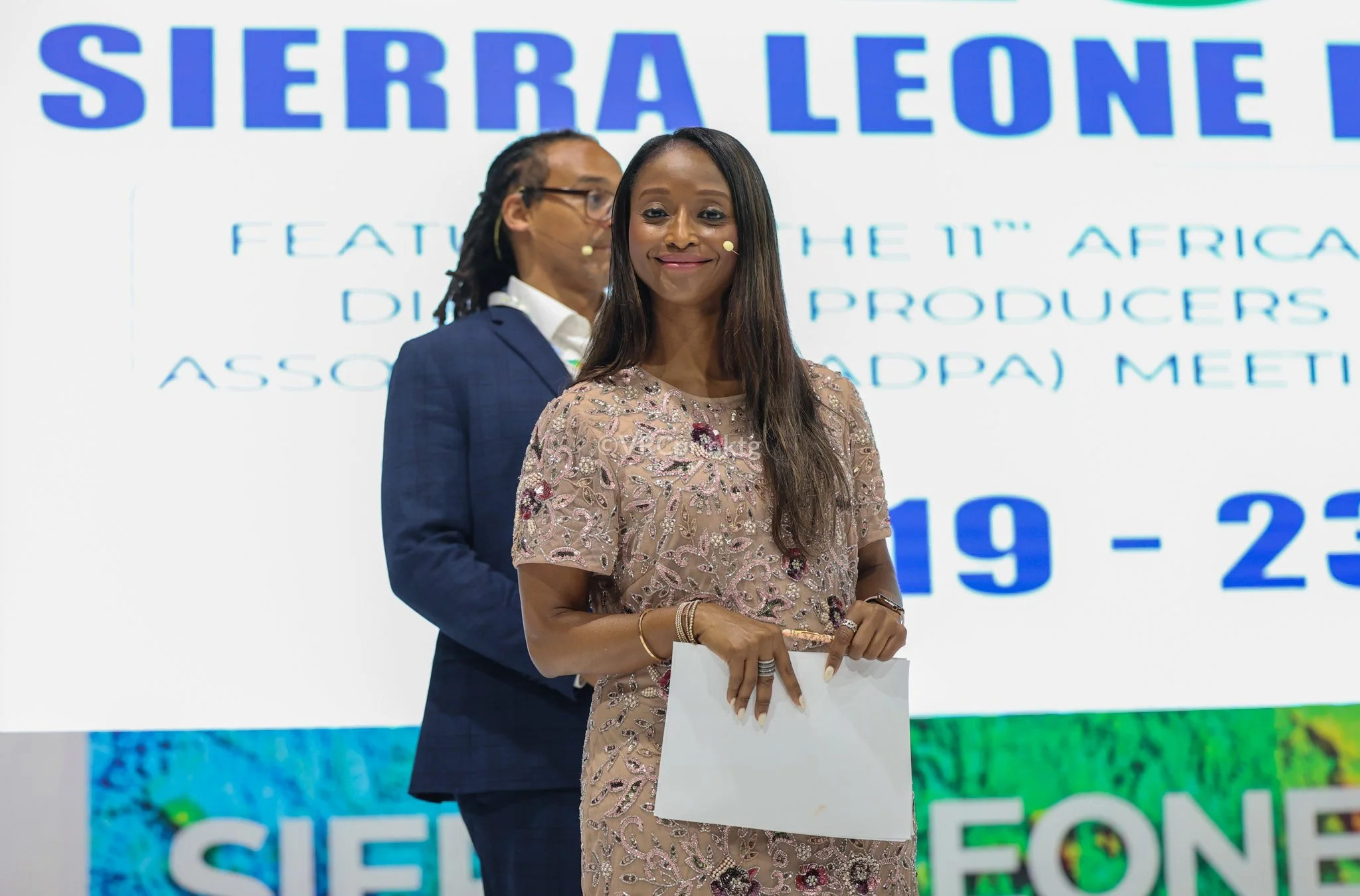
A global visibility feature, straight from my heart and the team at Make Sierra Leone Famous, in partnership with the National Minerals Agency (NMA), as we dive deep into our nation's journey toward resource ownership and diversification during Mining Week 2026 (May 19 - 23).
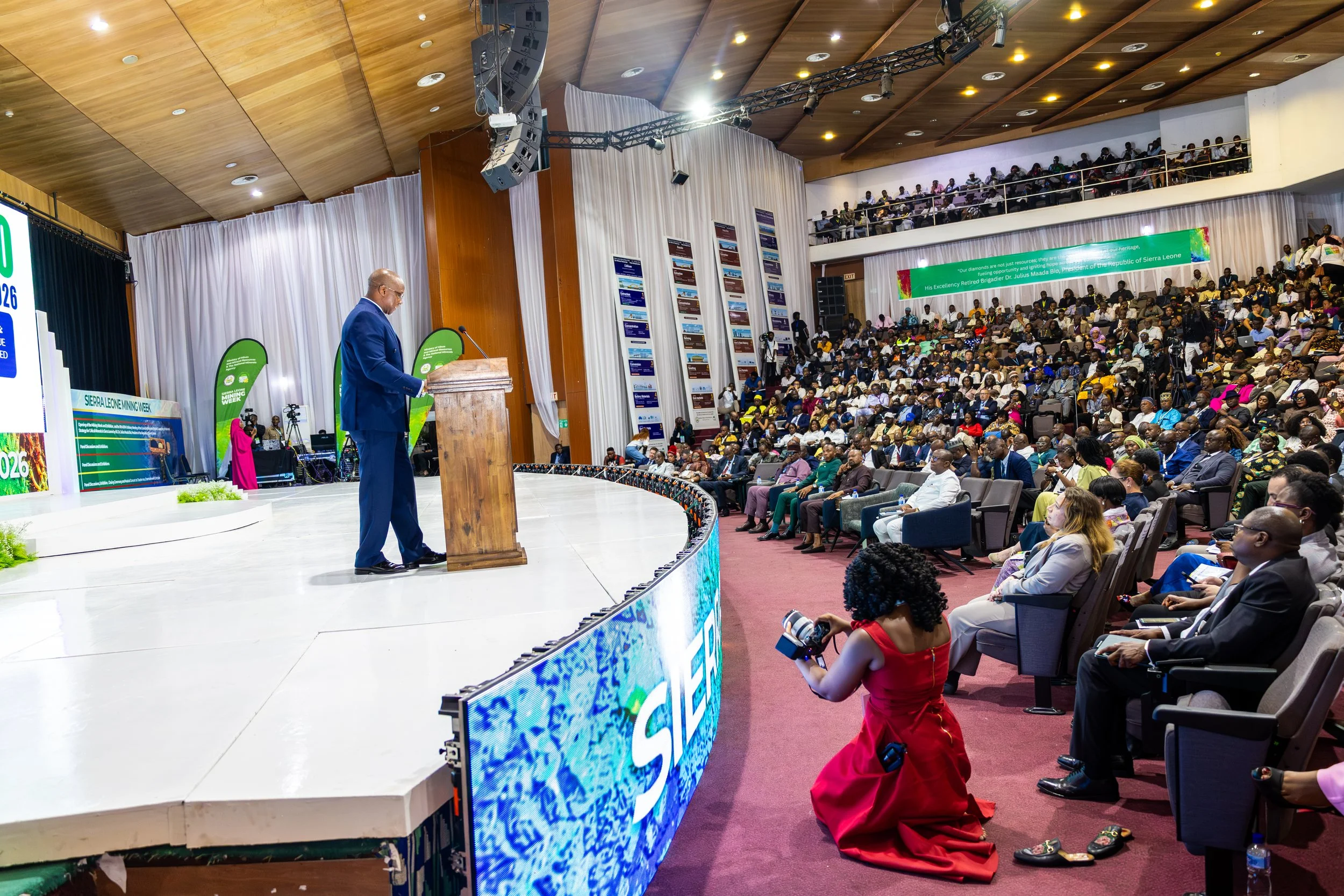
This morning, the auditorium at the Freetown International Conference Centre at Bintumani was buzzing. I usually don’t get excited about regulatory policy, but today was different. The rows of grey seats climbing toward the back of the hall were packed to capacity. It was a colorful mix of sharp-suited international investors, African mining ministers in traditional attire, and our local paramount chiefs all rubbing shoulders.
Overhead on stage, studio lighting flooded a massive, multi-tiered stage wrapped in a curved LED banner that boldly pulsed the reason we were all there: SIERRA LEONE MINING WEEK 2026.
On the giant digital screens, promotional videos flashed microscopic lab analyses of minerals alongside sweeping drone footage of excavations. Hundreds of delegates were flipping through the official program brochure, with the day’s theme, "Our Mineral Resources: Responsible Mining, Value Multiplication and Shared Prosperity,” opened across their laps.
When Julius Daniel Mattai Sierra Leone’s Minister of Mines and Mineral Resources and the current Chairman of the African Diamond Producers Association (ADPA)—stepped up to the podium, the room went dead silent.
In the past, African mining could be summarized in one tragic, frustrating loop: Africa exports its minerals and imports debt. We all know the story. But Mattai made it clear today that he intends to break that cycle.
“Africa, including Sierra Leone, must move beyond being known merely as a place where minerals are extracted,” Mattai said, his voice echoing clearly across the packed hall. “The old model exported raw value and imported dependency. The new African model must export excellence and retain prosperity.”
Sierra Leone’s 2031 Mining Targets in Numbers
The highlight of the morning session was the formal launch of the National Strategy for Critical Minerals in Sierra Leone 2026–2031. To me, this wasn’t the usual collection of lofty political promises. The strategy (which I hope any incoming administration in 2028 will continue) put forward highly specific, measurable macroeconomic goals designed to reshape Sierra Leone’s fiscal landscape over the next five years.
Take a look at what we are aiming for by 2031:
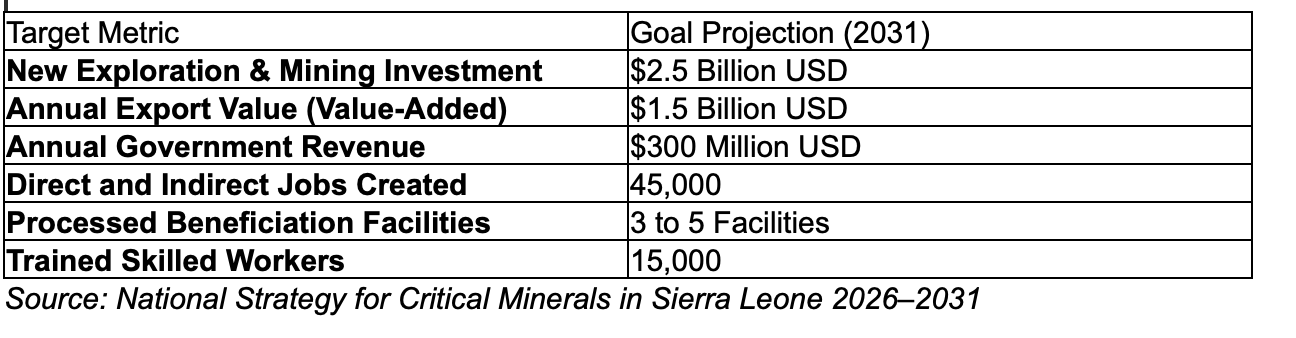
Sierra Leone’s Mining Targets 2026 - 2031
Sierra Leone's annual GDP hovers around $8 billion USD. Attracting $2.5 billion in fresh exploration and mining capital is an incredibly aggressive economic injection. It’s ambitious, yes, but Mattai’s reputation as a geologist who is grounded in hard data—rather than political rhetoric gave me a real reason to take these projections seriously.
He pointed directly to our geological reality, noting that Sierra Leone is sitting on major deposits of spodumene lithium ore, bauxite, rutile, iron ore, gold, and rare earth elements.
"The world’s changing industrial future is increasingly written in minerals that Africa has," Mattai said. But then came the caveat—the reality check we all needed to hear: "Minerals in the ground are only potential. Minerals governed well become prosperity."
Institutionalizing the "Ethical Contract"
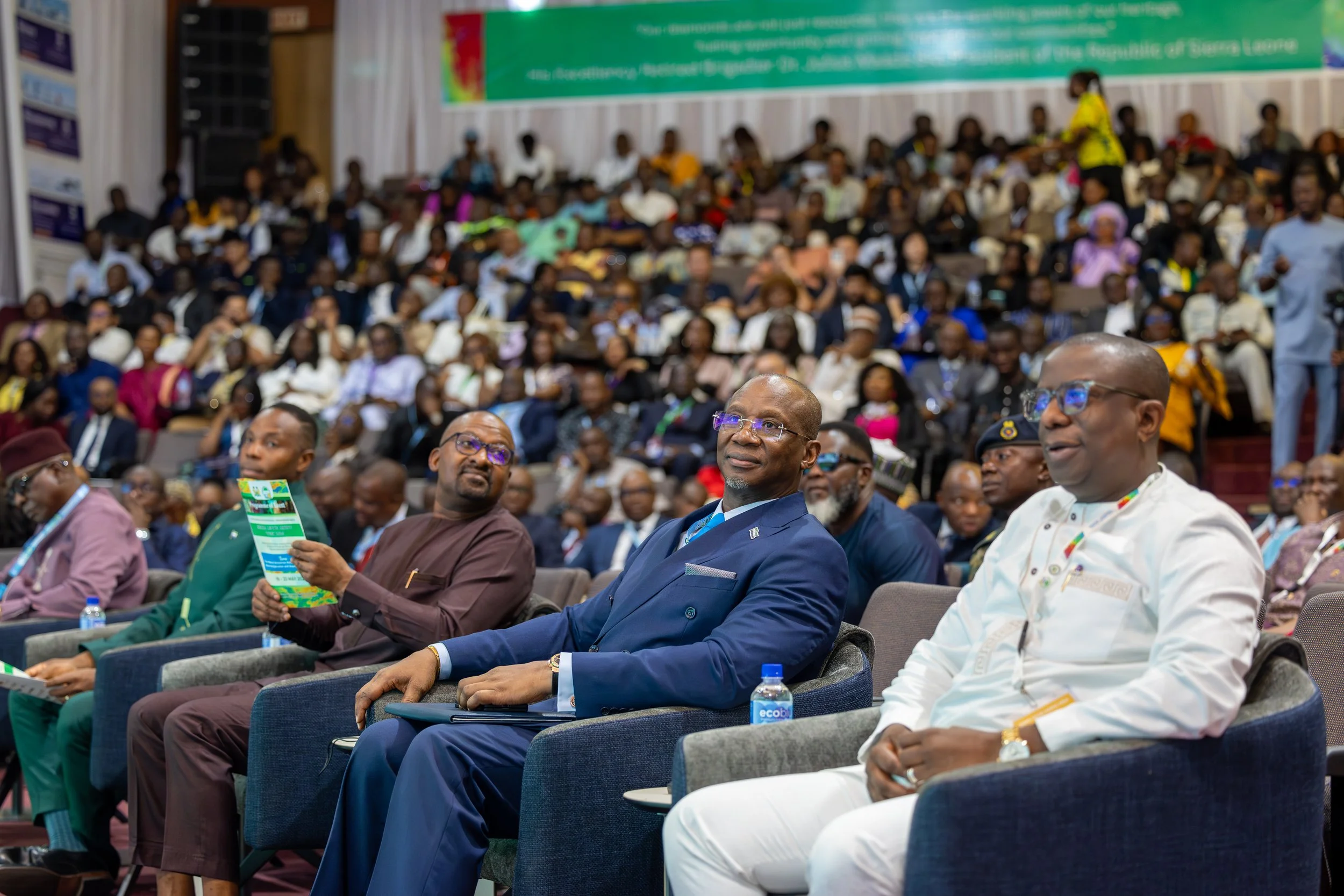
L-R: Dr. Sengeh, Vice President Mohamed Juldeh Jalloh, Julius D. Mattai, Umaru Napoleon Turay, Deputy Minister of Mines and Mineral Resources
We have to talk about the elephant in the room. Historically, Sierra Leone’s vast mineral wealth—most famously our diamonds—failed to benefit the actual mining communities. We paid a heavy price for that. For a decade, rebels fought over control of diamond pits, trading gems for weapons. Beyond the conflict, we've suffered from regulatory volatility and historical exploitation where foreign companies walked away with everything aided by the very Sierra Leonean leaders who were to protect national interests. For the past five decades of mining in Sierra Leone, our people got the crumbs.
But right now, things are shifting, not as fast as we would like but it’s a new day. Under the current administration's "Five Big Game Changers" development agenda, institutional reforms have finally gained real momentum.
The primary engine of this shift is the Mines and Minerals Development Act 2023. Dis law ya, e da bet (actually has teeth). It enforces strict community development agreements, localized procurement (meaning companies have to buy local), and strict environmental restoration obligations. This new legislation is what Mattai describes as the "economic and ethical contract of our age."
Here are three Mattaisms underpinning the guiding principles under the new act:
“Responsible mining without value multiplication is incomplete.”
“Value multiplication without shared prosperity is unjust.”
“Shared prosperity without responsible governance is unsustainable.”
The Minister then issued a direct, no-nonsense challenge to the international investment community, drawing a very sharp boundary regarding our sovereignty.
"Sierra Leone is open for business," he stated clearly. "Sierra Leone is not open for capture." If you want to come here and just load unrefined minerals onto ships, those days are over. The invitation to investors now is an invitation to co-build: to build processing capacity, infrastructure, and domestic supplier ecosystems right here on our soil.
A Pan-African Mining Front on Exploration
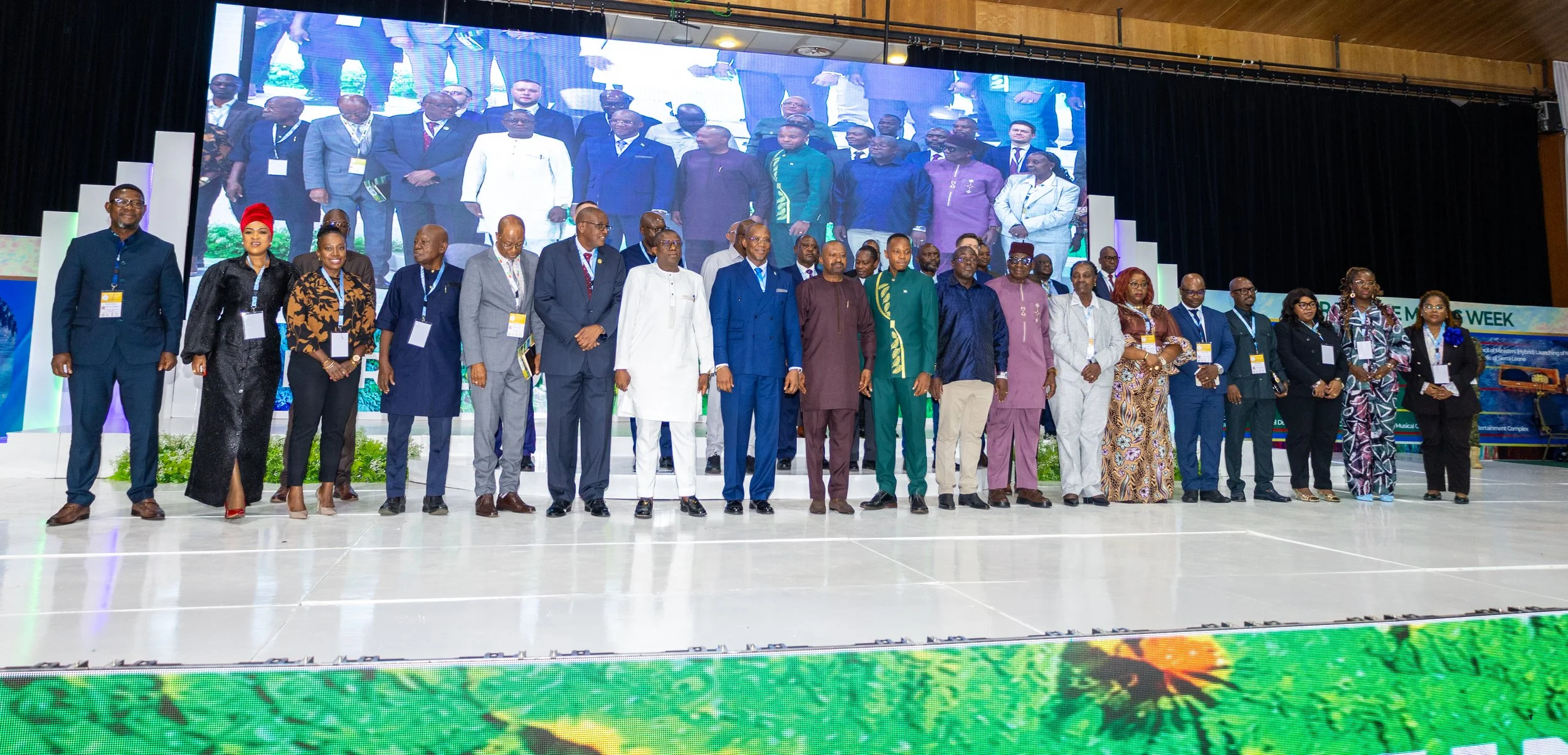
VP Jalloh, Julius Mattai, local officials and delegates from African Diamond Producers Association (ADPA). Mattai is the pan-African organization’s current chairman.
Mattai didn't just speak for Sierra Leone; he spoke for the continent. Wearing his hat as the ADPA Chairman, he touched upon the heavy anxieties facing African diamond producers right now—including the rise of lab-grown synthetic alternatives and the confusing, complex compliance rules of the G7/EU Diamond Protocol.
But instead of playing defense or complaining, Mattai championed institutional standardization via the ADPA Sustainable Diamond Standards, aggressive African narrative branding, and regional integration through the African Continental Free Trade Area (AfCFTA).
He dropped a truth bomb that every African government needs to print out and frame: if African states fail to aggressively fund their own domestic geological exploration and data collection, they will always lose at the negotiating table.
“A country that does not finance discovery eventually bargains from hope instead of evidence,” he said.
Mic drop.
The Bottom Line
For global mining markets looking at Freetown today, the message is loud and clear. Backed by the 2023 Act and a rigorous critical minerals roadmap, Sierra Leone is positioning itself as a predictable, high-standards jurisdiction. The skeptics I’m sure will still doubt but that’s ok.
Is it going to be easy? Absolutely not. It is uphill work, for sure. But under Mattai’s stewardship, Sierra Leone is finally dusting off the dirt and climbing toward higher economic ground. And it’s about time.