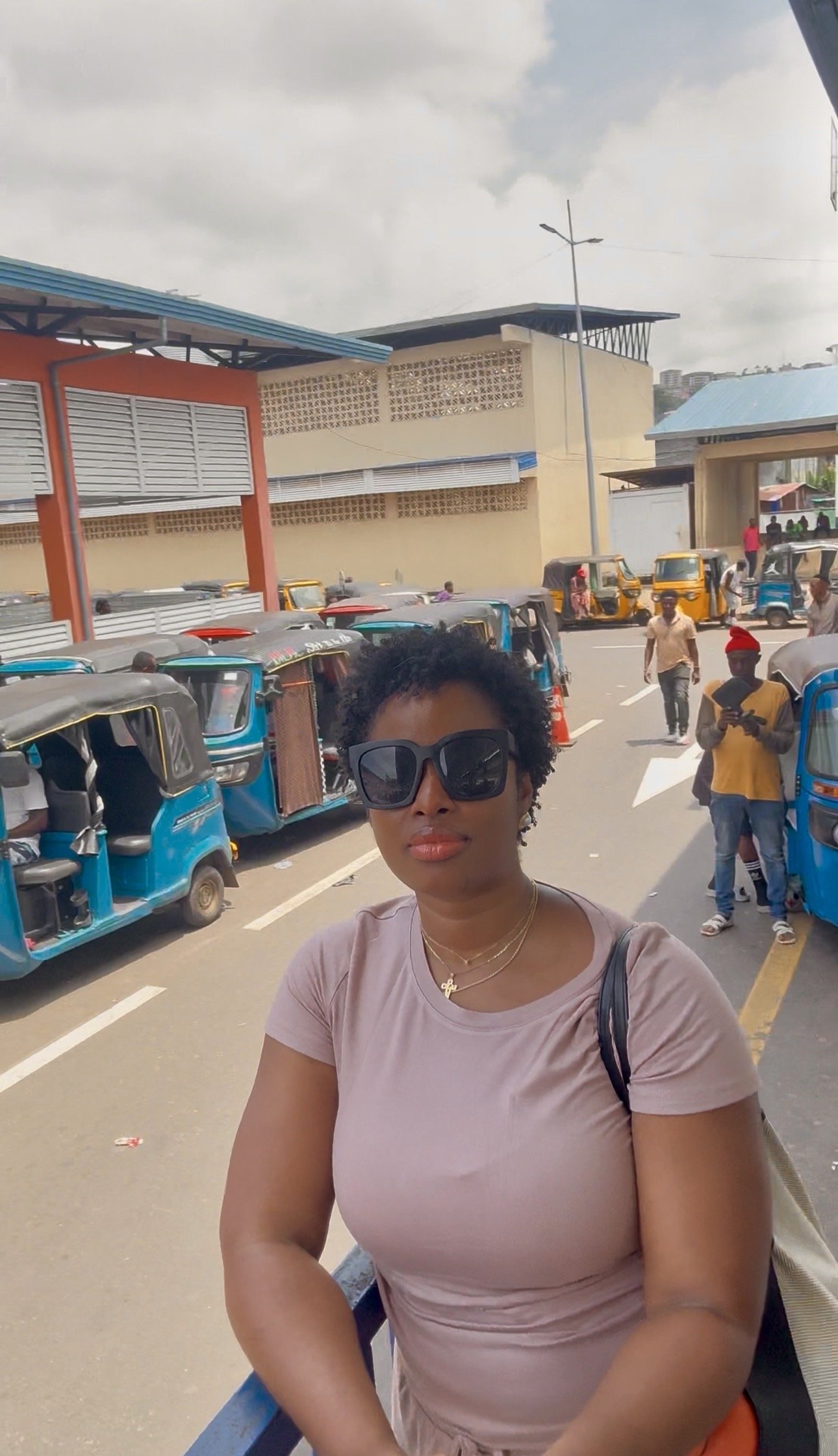
Where the kekehs Park
Today I met a man who left his bank job to work at the Lumley kekeh Union Park.
He’s the kekeh Union secretary, but that’s not all. He’s the guy who holds the barricade in front of the kekehs to block their path—just in time for the chairlady to check if the rider has bought the Le 10 ticket.
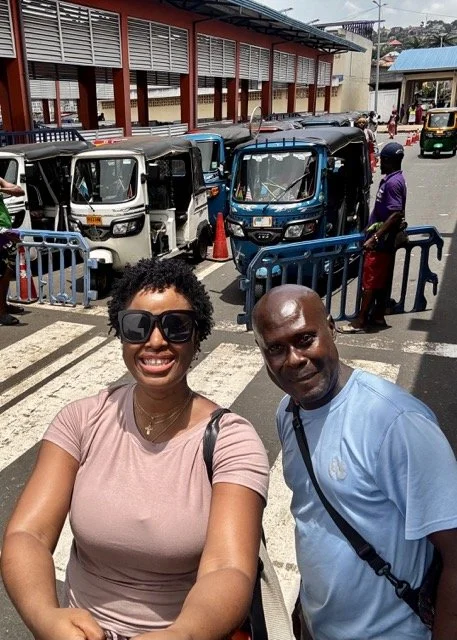
Mr. Alimamy
If you have your receipt, Mr. Alimamy, who everyone calls Soba (a fitting moniker), lets you pass. No ticket? The blue barricade stays put.
Each kekeh has to buy the Le 10 ticket daily. It grants them access to this park and any other kekeh park in the city.
Each kekeh’s license is entered on a handheld printer held by Jenneh, the chairlady. The money collected goes to the Sierra Leone Public Transport Association (SLPTA), with the takings split between the SLPTA and the kekeh Union.
If you leave your office and go out, there’s so much to learn.
This was my first time hearing of the park and visiting. I’ve developed a direct sales guide for financial literacy agents, and I wanted to head out into the field with them to stress-test it before we finalize.
I spent three hours at the kekeh park observing MiKashBoks agents play a dual role: educating riders on financial literacy while solving real daily money problems like cash theft.
How do you convince a kekeh rider to move daily cash from their pocket—where it’s easily spent or stolen—into a digital cash box? You show them the value right on the spot. The agents walked riders through saving with interest for 90 days, protecting their earnings, managing their Osusu, and paying small small for essentials—all from their phones or through a new AI WhatsApp agent called Miki.
But features alone don't close the deal. You need to build trust on the spot, and a lot of things need to align: internet, OTPs, patience, and more.
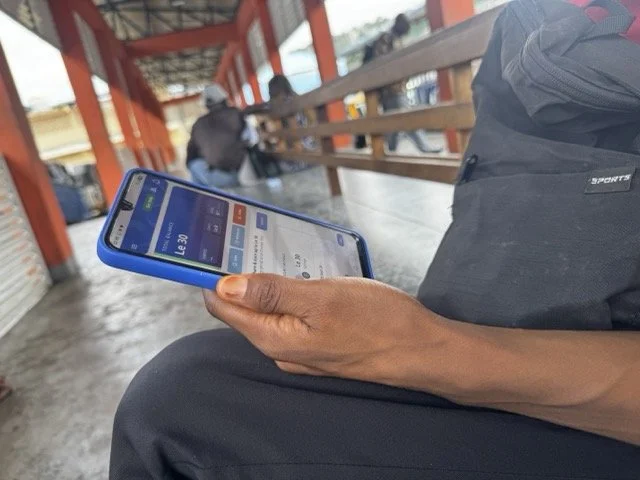
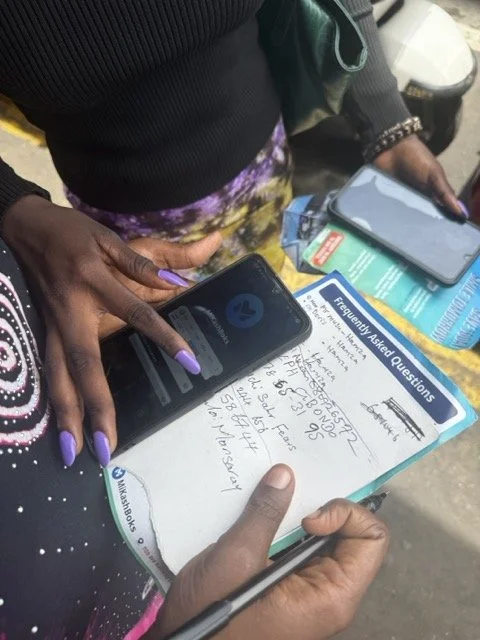
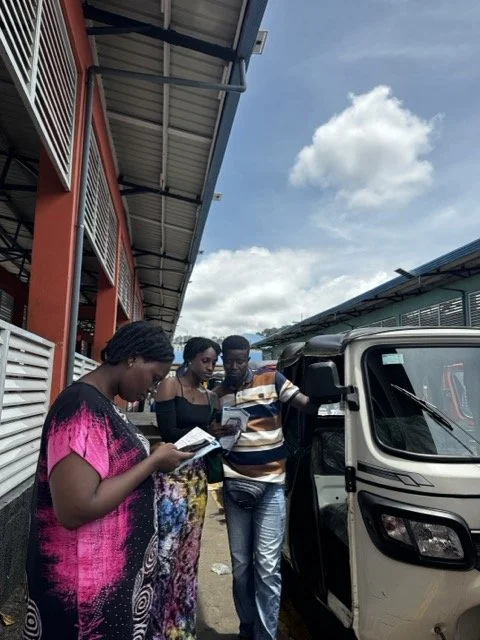
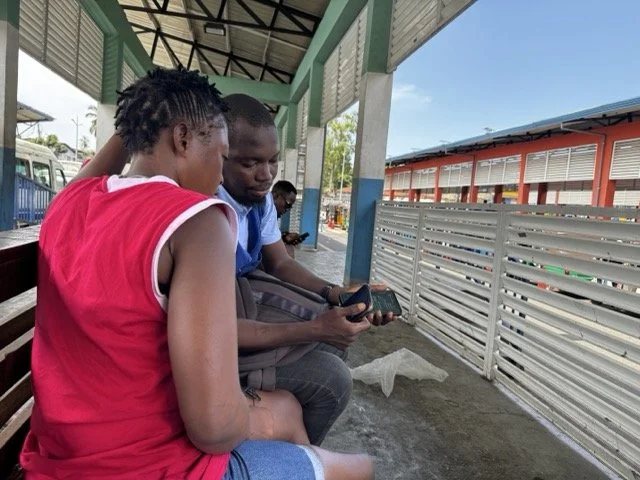
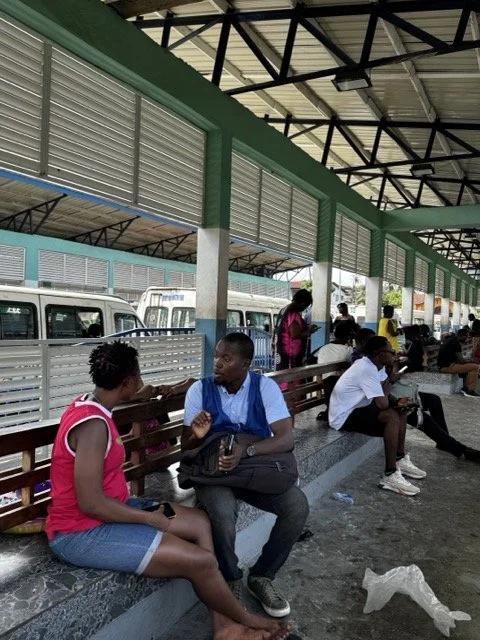
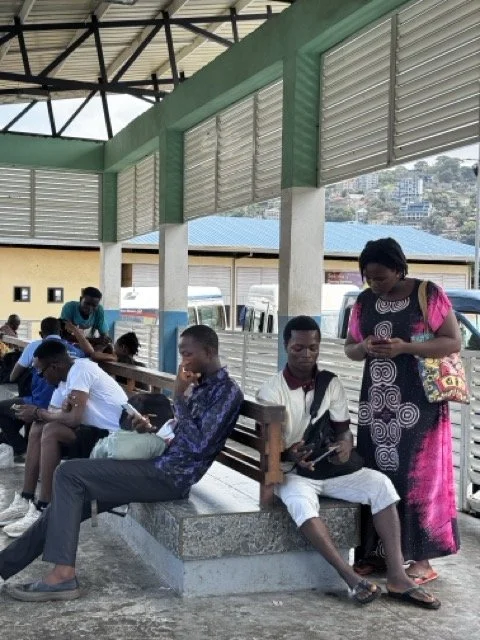
Four MiKashBoks agents—three women and one man—split up as soon as we got to the park, each approaching a target. I watched from afar, observing body language, posture, and frowns. However will they be able to build rapport way all man face look tight so?
And yet, they did. I watched them successfully convert kekeh riders, who live on daily earnings, into MiKashBoks users right on the spot.
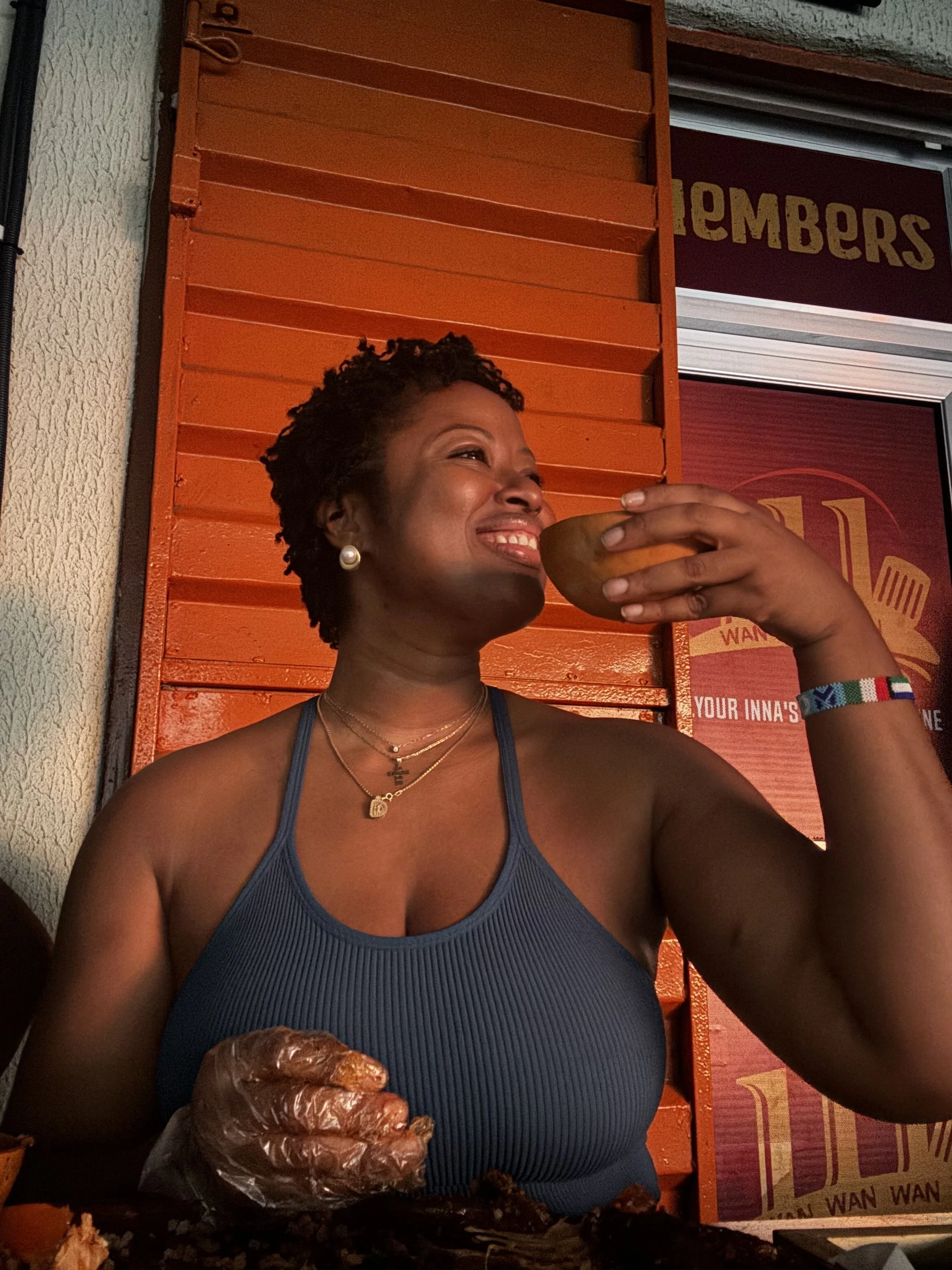
In places like this, I feel a triple consciousness. On one hand, I’m no different from the kekeh riders—a Salone citizen. Yet, I observe through a journalist’s lens. And lastly, I’m somewhat removed as a child of the diaspora who has access to the world.
As if to remind me of how connected we are, a voice from a kekeh calls out to me.
“Vickie Remoe, enti?”
I’ve been spotted. I nod.
“Me na you Facebook fan. Aie, a gladi for see you!”
I didn’t expect to be recognized in the kekeh park. When he asks for a photo, I move in for a selfie. He says no and asks if we can take it in front of his kekeh instead. I obey. He’s beaming, his joy palpable. Mi sef gladi.
Then, more riders start recognizing me.
One says, “As a see you, a bin no say tiday na Good Friday.”
I laugh and ask, “Wetin du?”
He replies, “You really easy. You kin tell say you komot na good home.”
Best compliment!
I look around to check on the MiKashBoks agents. San warm so, but they’re still going strong.
I notice one agent sitting inside a kekeh along the ramp—where drivers wait in an orderly line to move up. You kekeh full, you leave, the next kekeh moves up. She’s explaining the 6% interest he can earn by saving, along with the Le 5 referral fee he’ll get for bringing in friends and family.
I turn my attention back to the blue barricade. Mr. Alimamy is still at it. The park gets going around 6:00 AM; his workday starts at 7:00 AM and runs until 5:00 PM.
We talk about job titles. You sidom na office, you get title, but you no dey get bête money. He asks where I’ve been, and I tell him Murray Town.
“No, but di way a see you, you don go out.”
“Mi no go na sai oh, na Banana Wata a born en men.”
He doesn’t believe me, but I refuse to divulge any further.
We drift in and out of conversation. Everyone calls him Soba. I don’t ask why—it’s obvious. He’s warm, firm, and focused. Even while talking, his hands stay on the barricade, checking for ticket slips. Jenneh tells me everyone likes Soba. I say he’s a good man, and she agrees.
As we’re talking, another rider pulls up and shouts, “Way Sam? We no go blow pan Sam!”
I cackle. Sam don reach na kekeh Park bo? Na God make me no dey shame. We make a joke, and he rides on.
Another rider pulls up. “Next year wi dey make you Miss Sierra Leone.”
I laugh. He adds, “Serious! You fine so. Way you smile, you fiba you mama.” He don’t know my mama.
I laugh hard.
In the distance, a park warden with a cane wakes up a guy sleeping in the seating area, telling him it’s no place to sleep. Next to him, two young girls are doing cornrows; the warden lets them be.
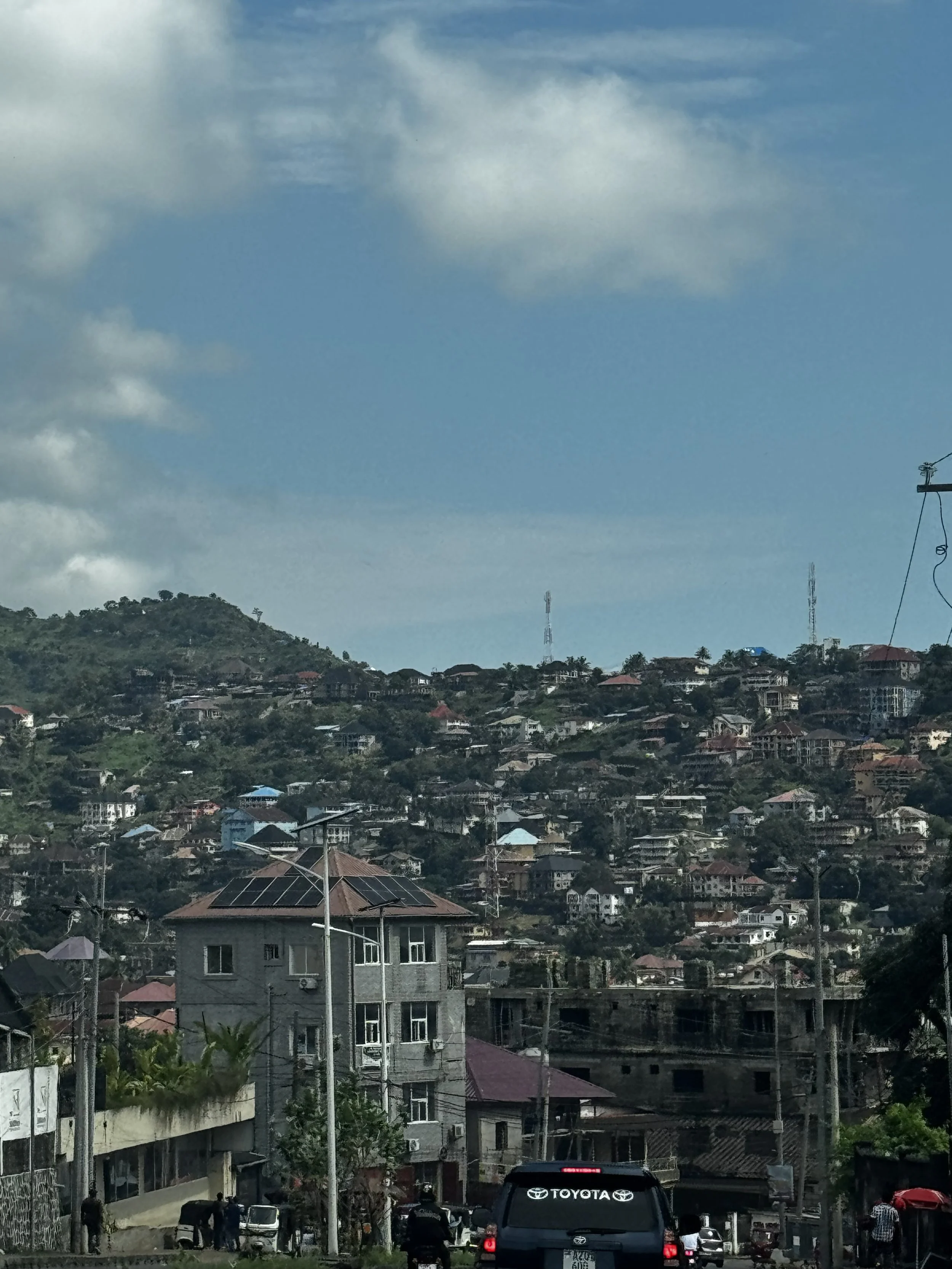
All around the park, there is life, hustle, the revving of engines, and organization. There’s order here. The people in charge are doing their jobs. I didn’t expect that, but I should have.
I hope to return to Lumley's kekeh park soon.
Before leaving, I say goodbye to Mr. Alimamy and Chairlady Jenneh, then charter a kekeh. The driver asks for Le 100 from the park to Murray Town. He’s overcharging me, but I’m happy to pay—was di money dey go to wi yone people dem.
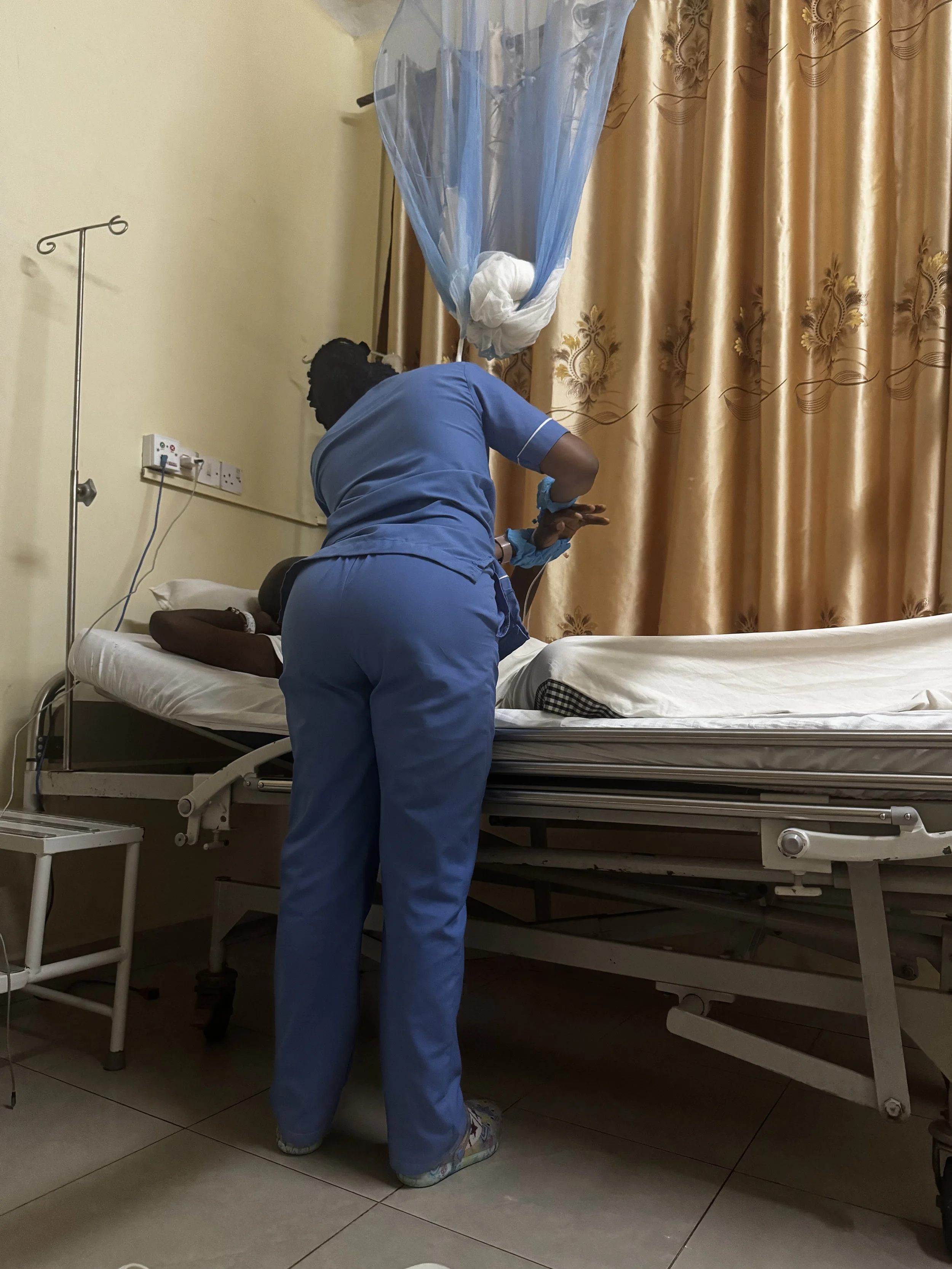
My dad has been hospitalized at Choithrams again.
I need to go.
Note: The Lumley Kekeh Park was funded by the World Bank under the 2019 Integrated Resilient Urban Mobility Project.