The Sharwama is Dead: What a Food Coup Says About Business in Sierra Leone
An editor from the FT in London came to my office this week for a chat. He asked about the state of business, and I found myself explaining how the death of the sharwama on restaurant menus was, to me, the ultimate signal of a resurgence.
I’m going to tell you why—even though many might disagree.
The Age of Sharwama: 2003–2008
The first time I came back home was in the summer of 2003. Back then, bullet holes in the buildings in center city were the norm. Restaurants were not.
Cookery? Yes. Restaurants? No.
It took another three years, until 2006, before a handful of restaurants opened. That’s when I first began to notice the cultural superiority of the sharwama.
I was home from Paris, this time a bit more cultured with a taste for rabbit and croque madames. So when I came to Freetown on holiday and men offered me sharwama like caviar on the French Riviera, I could not compute.
Every time someone wanted to take me out to impress me, they offered sharwama. Or if they were coming to visit:
"A sen for you sharwama."
Sharwama gains me bo!
By the time I returned to live in Freetown two years later, the sharwama was king. Everywhere sharwama! Even though they shinka you by hiding chips in the sharwama in the place of chicken or beef, people just could not get enough.
Man, I hated sharwama. I just couldn’t get it. Why were Freetownians so sharwama obsessed? Na diamond?
Supply, Demand, and Foreign "Cool"
The answer was simple:
Lebanese palates & capital: When postwar Sierra Leone’s restaurants opened, the first group of customers and restaurateurs were Lebanese. Simple supply and demand.
The status symbol: When Sierra Leoneans entered the food business, they added sharwama to the menu too. Eating flatbread became a status symbol for working-class professionals, students, and ladies of the night working the UN and IMATT expat shifts.
The foreign bias: Between 2008–2018, "cool" needed to be foreign-made—whether food, music, or art. We lived in the shadows of death, disease, and destruction, giving an instant tarnish to anything made in Sierra Leone.
The Coup: Local Culture Takes Over
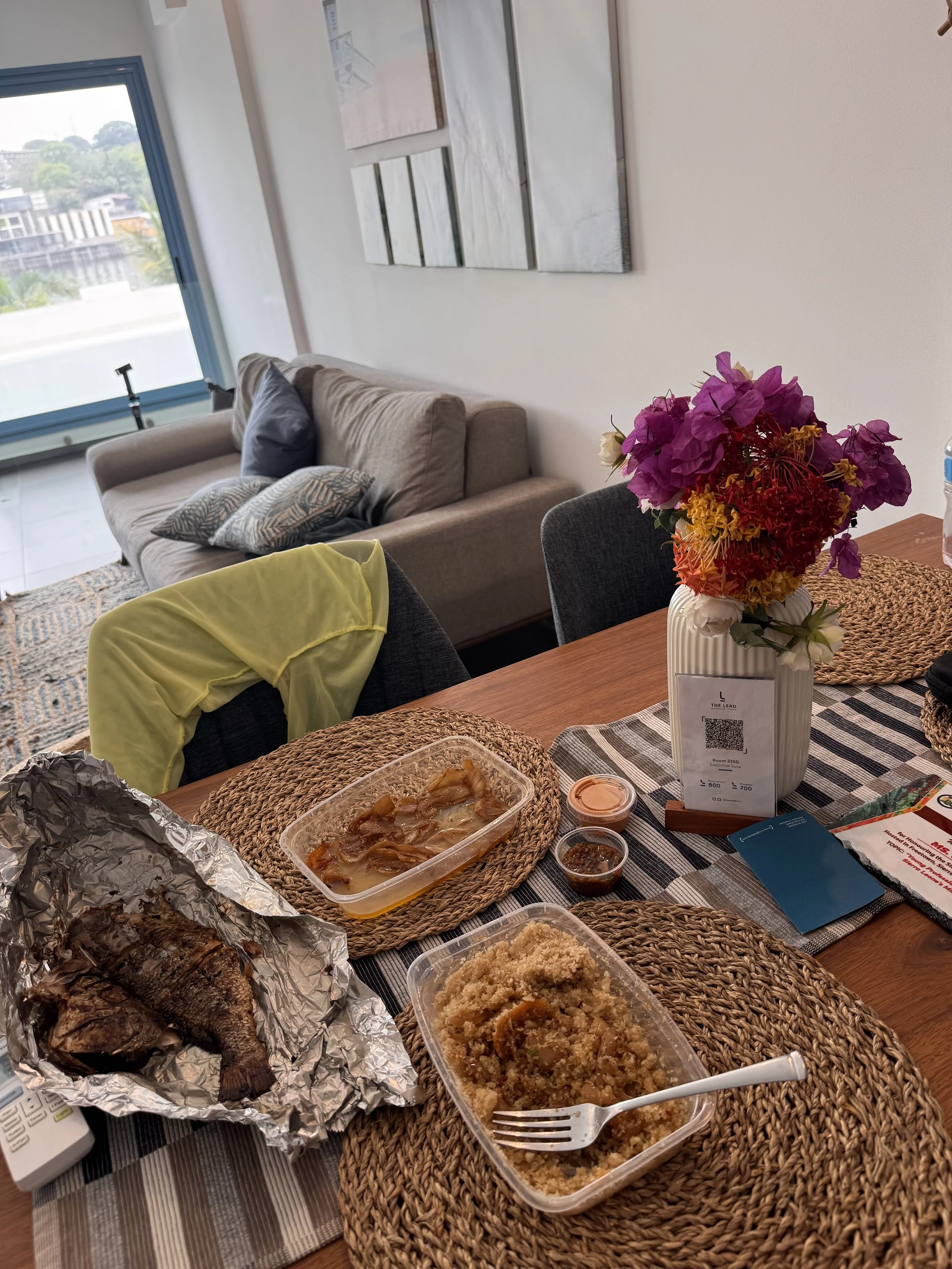
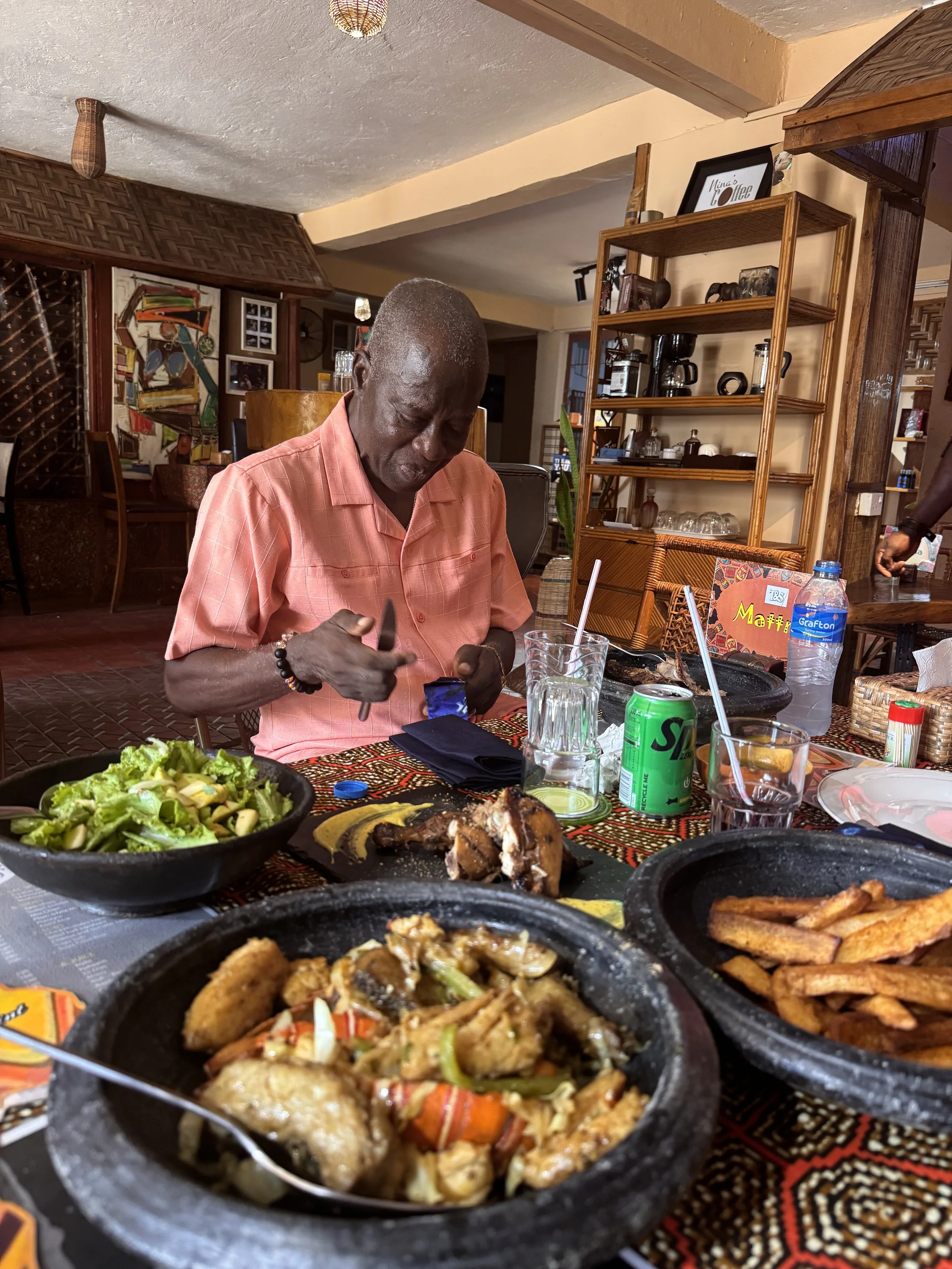
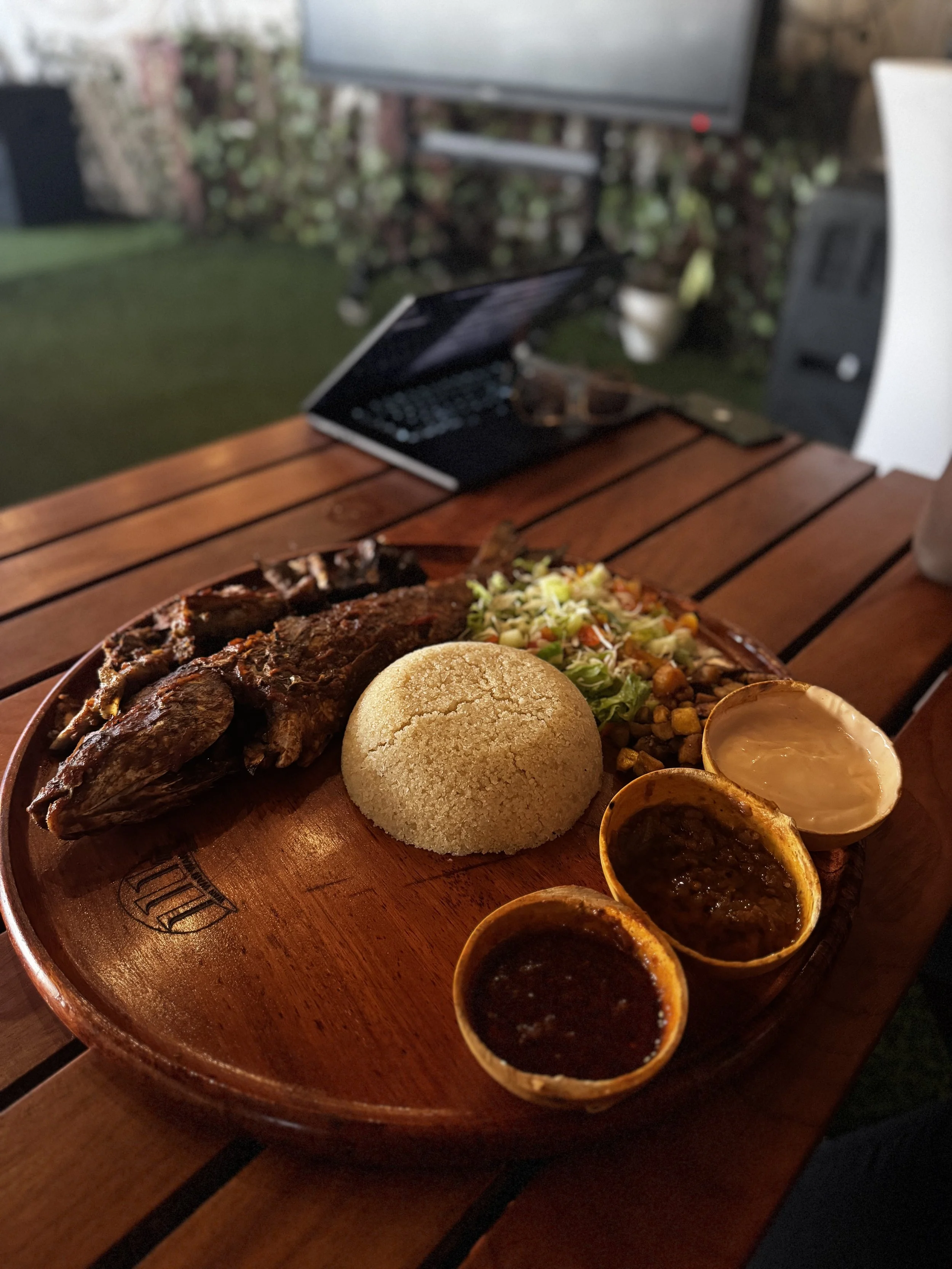
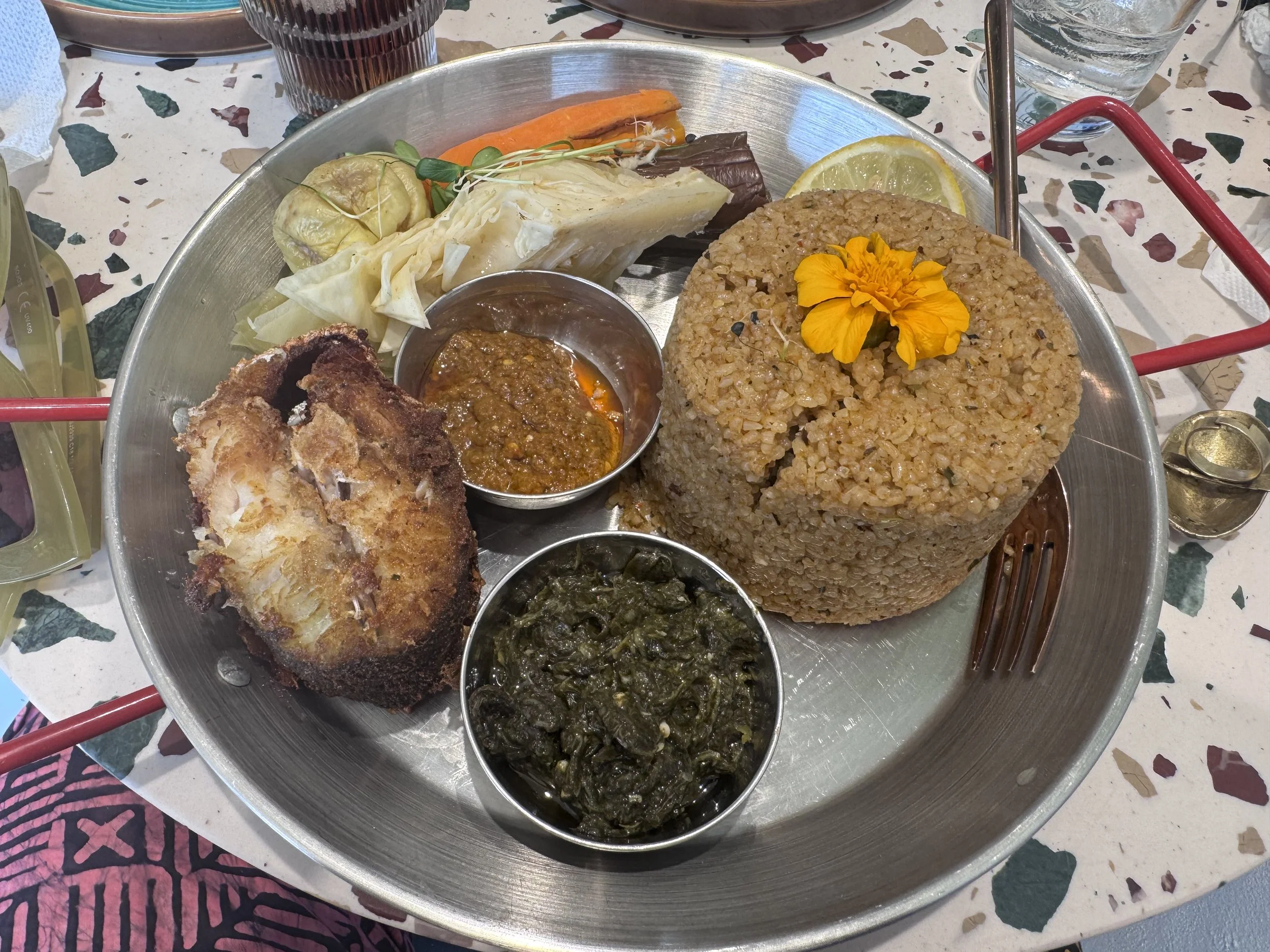
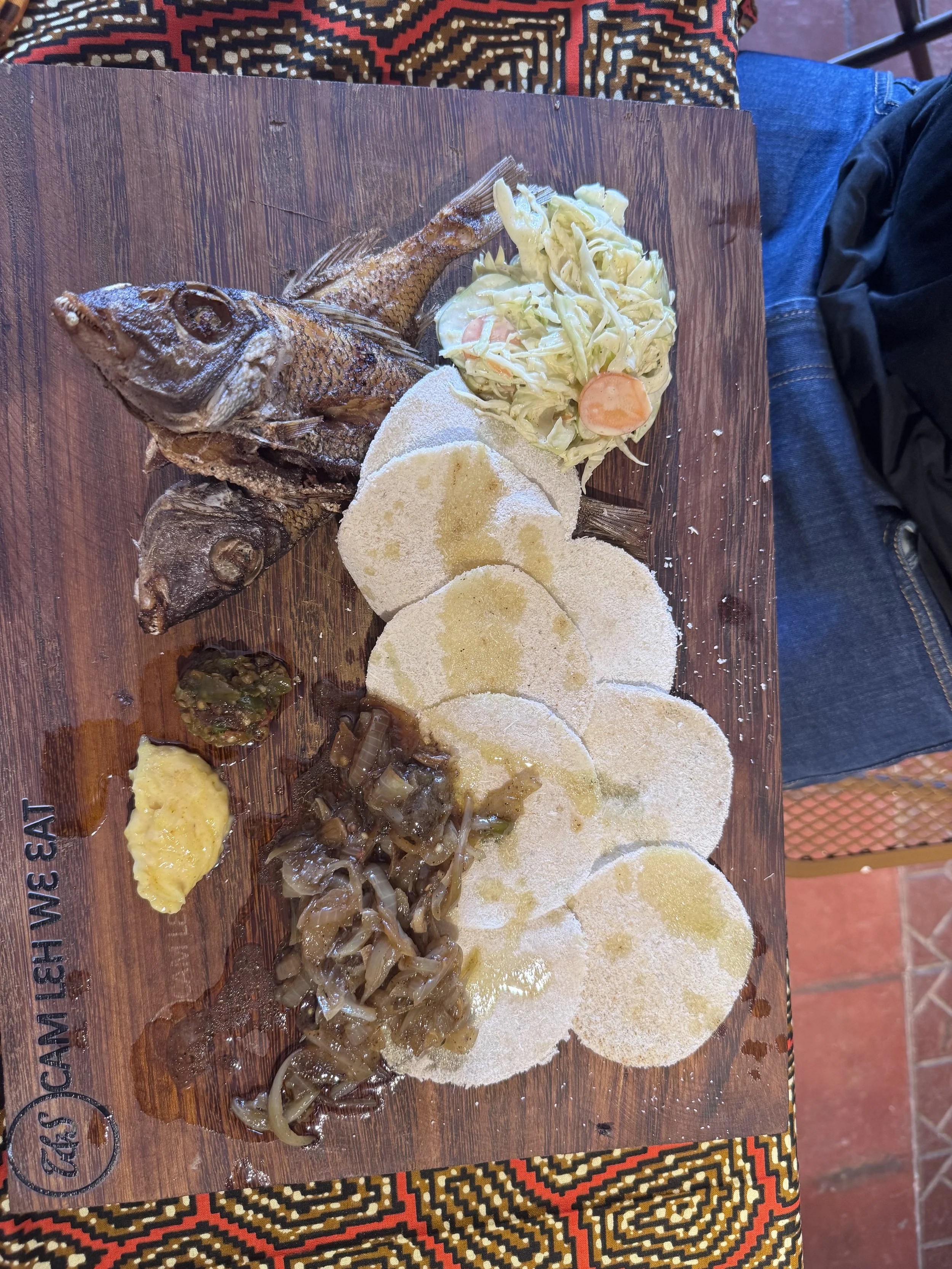
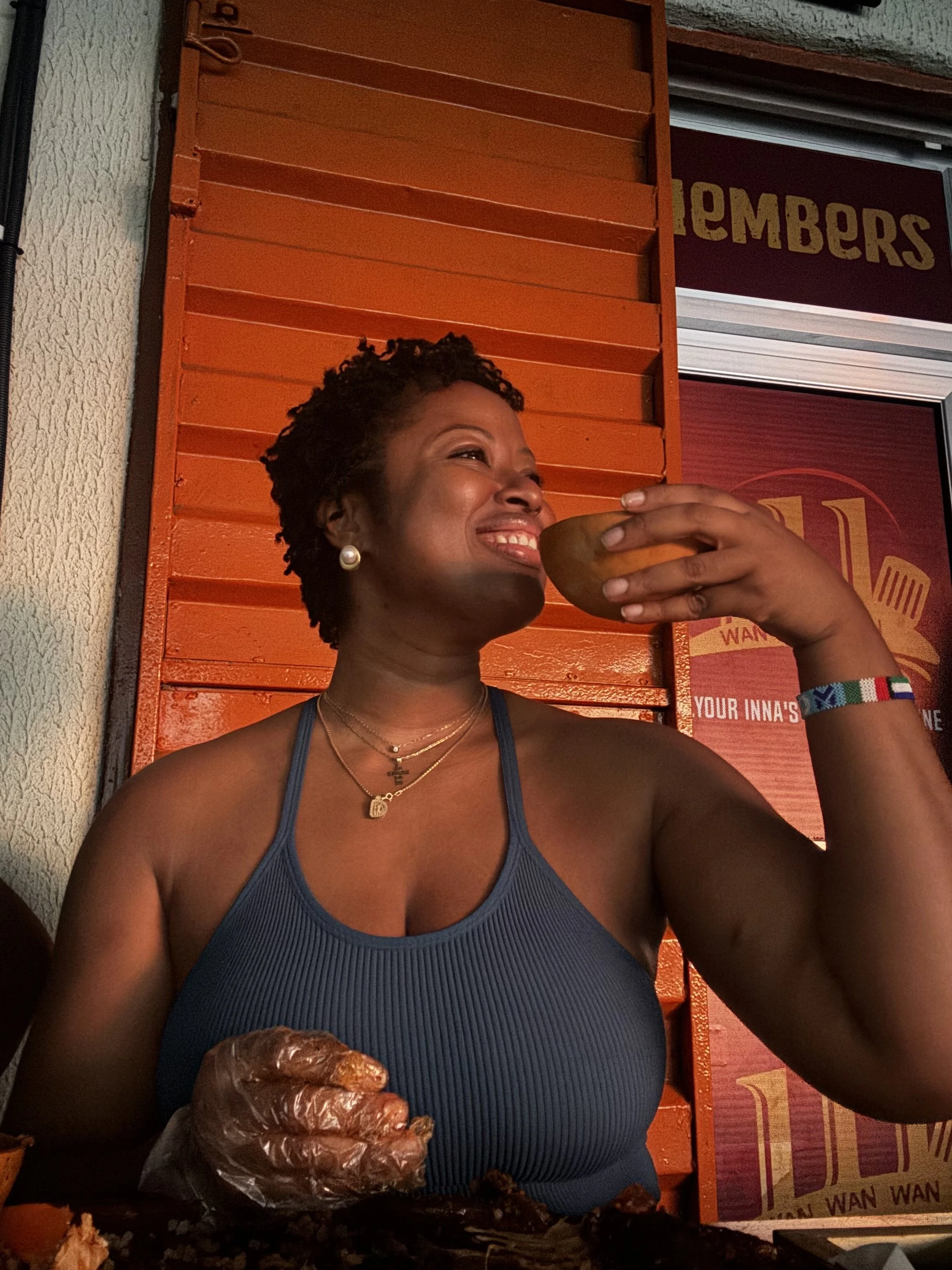
Powered by improved economic outcomes, internet access, digital narratives, the global dominance of African cultural exports and Millennial renaissance and spending power things have evolved. Freetown is catching up to the sub region. Nowhere is it more evident than in the imagination and creativity of the current restaurant scene.
Where once we lived in a state of hand-me-down sharwama superiority, the sharwama has been overthrown.
Restauranteurs are now offering:
Grilled goat steak
Oontu
kasada bread
Attiéké
And the almighty kontri fol!
I can’t even remember the last time I saw sharwama on a menu. Papa God tenki!
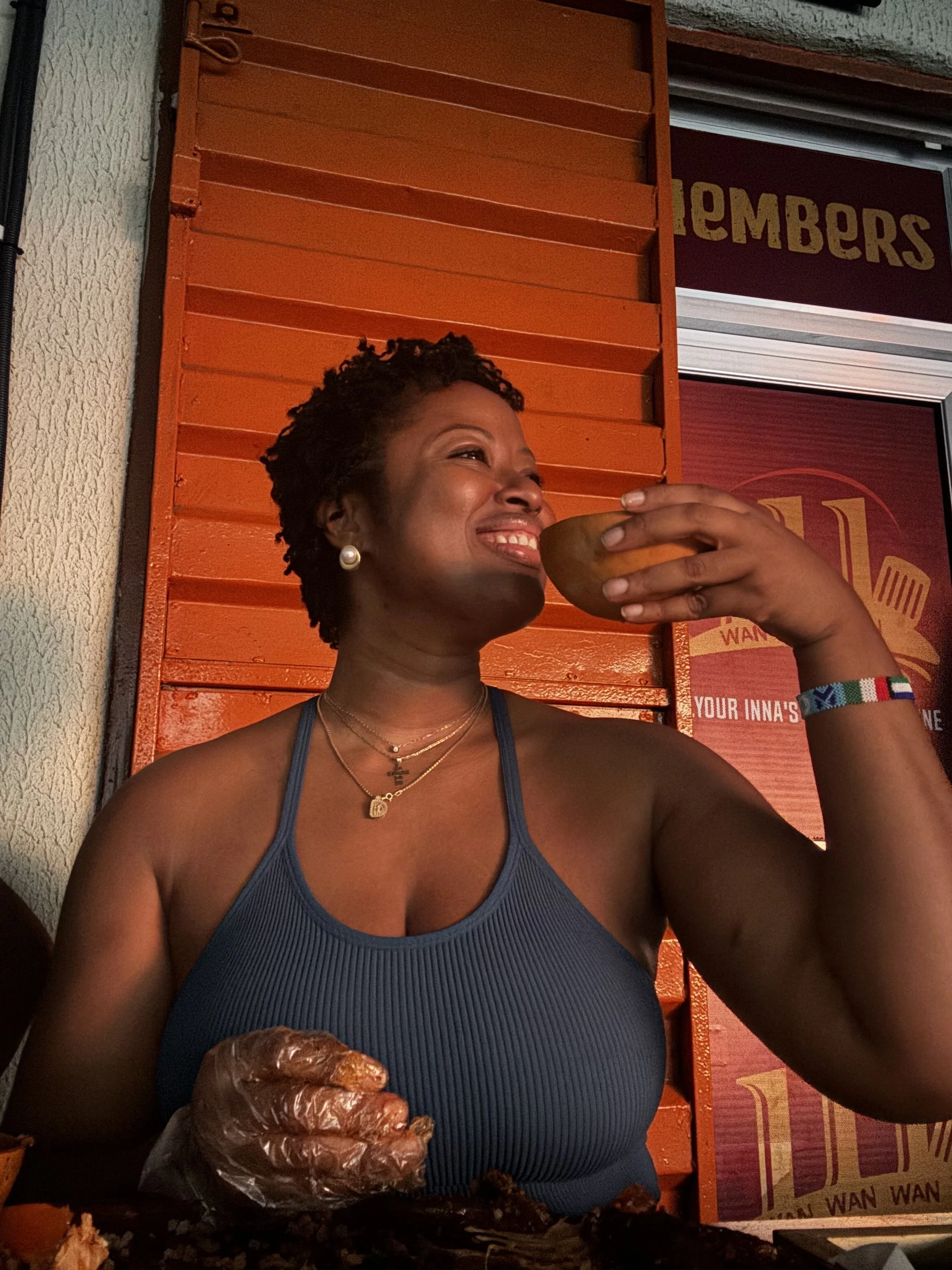
Last weekend, Sam took me to a restaurant where we paid Le 170 to drink poyo out of a calabash. We were shocked at the price but we were still happy to pay it. When the money day go back to wi, yone pipul dem it feels good to pay. In my Issa Rae voice: I’m rooting for everyone black except by black I mean any Sierra Leonean who is for the uplifting and advancement of our culture.
From WanWanWan, to The Kona, Things and Somethings, Wayli, and beyond—the local food scene is booming. Customers are willing to pay more to have their own flavors on a plate and embrace their culture.
The Sharwama is dead!