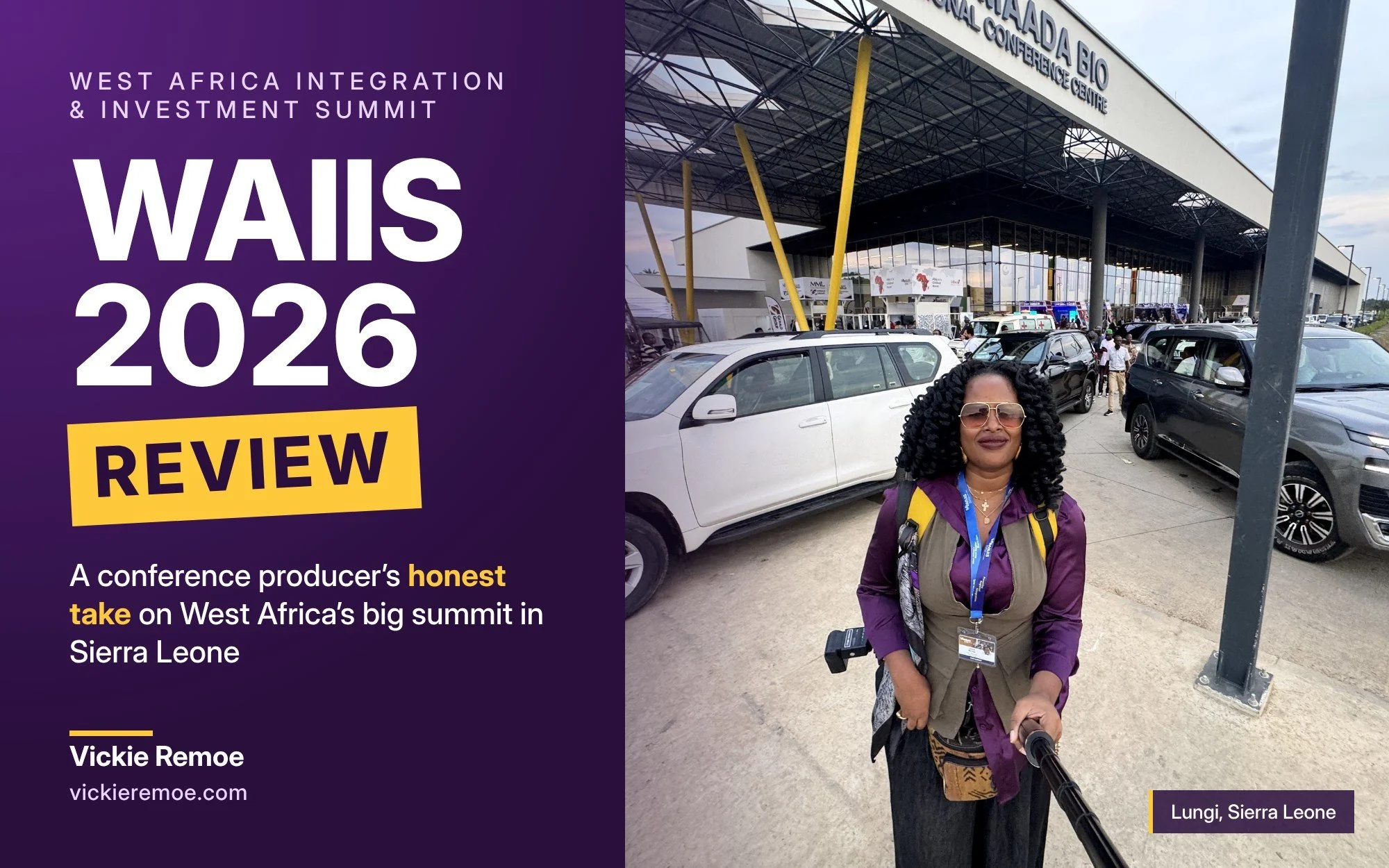
WAIIS 2026 Review: A Conference Producer’s Honest Take on West Africa’s Big Summit in Sierra Leone
In just over five weeks I’ll be hosting and producing the Sierra Leone Diaspora Investment Conference in Freetown. So when the government of Sierra Leone hosted the West Africa Integration & Investment Summit, it would have been amiss for me not to be there.
I went alone. I went to be in the room, to hear what was being said, and to find out one thing: would the diaspora even be mentioned?
Wow
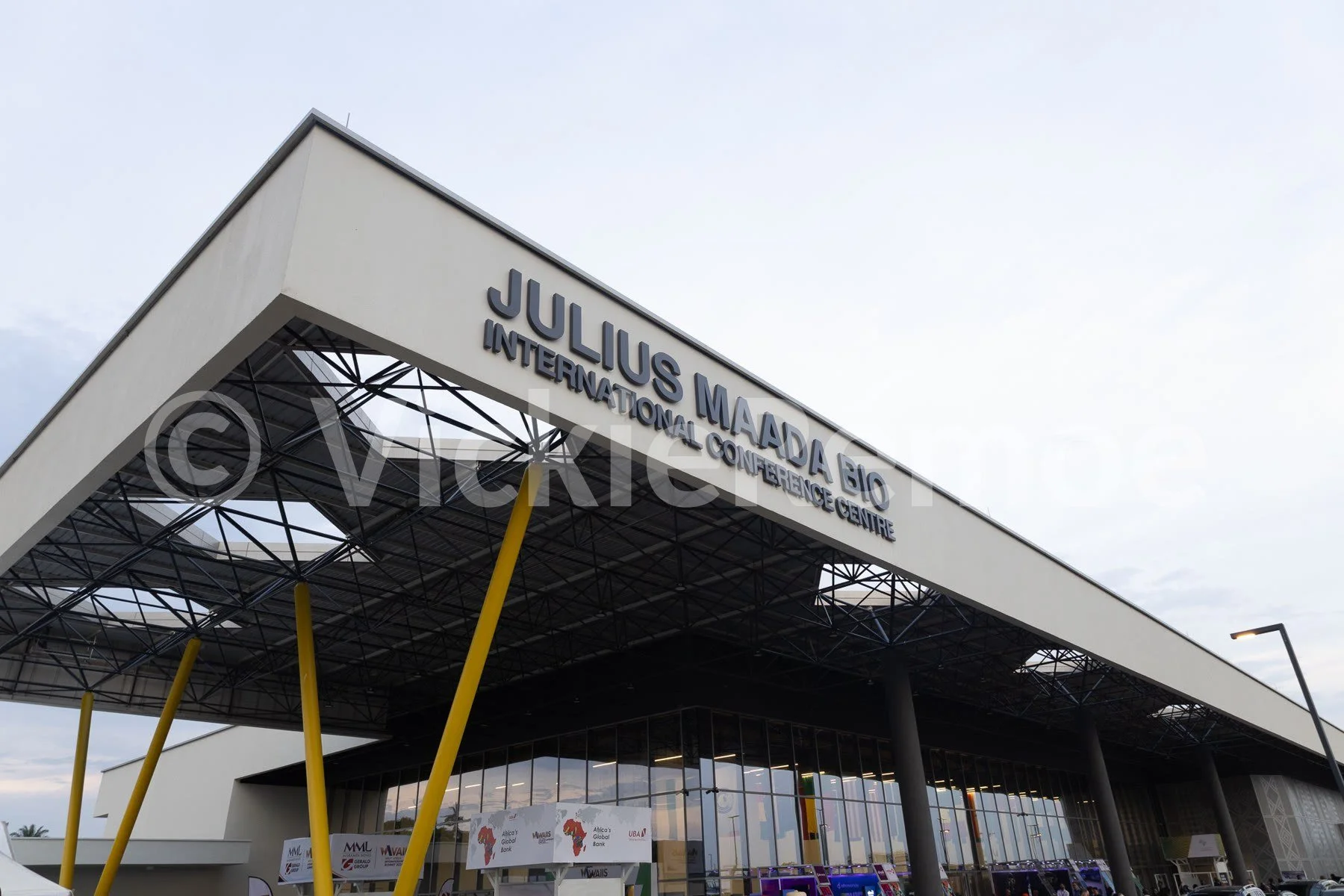
WAIIS was held in Lungi, at the Julius Maada Bio International Conference Centre, a stone’s throw from the airport. I had to cross over from Freetown to attend, and the trip cost $100 there and back. My first impression pulling up was simply: wow. It is grand, outside and in. As event spaces go in Sierra Leone, it is the most luxurious and modern I’ve seen, and probably now the largest indoor conference pavilion in the country. Compared with every venue we’ve used for events here before, this is nothing like it. It is beyond anything we’ve done.
Walking in was a little chaotic. There wasn’t much signage telling you where to go or what was happening where, so I was disoriented for a bit before I found the main pavilion. I peeked into the banquet hall, which also looked beautiful, and I know there were smaller rooms for roundtables. Exhibitors were set up both inside and outside.
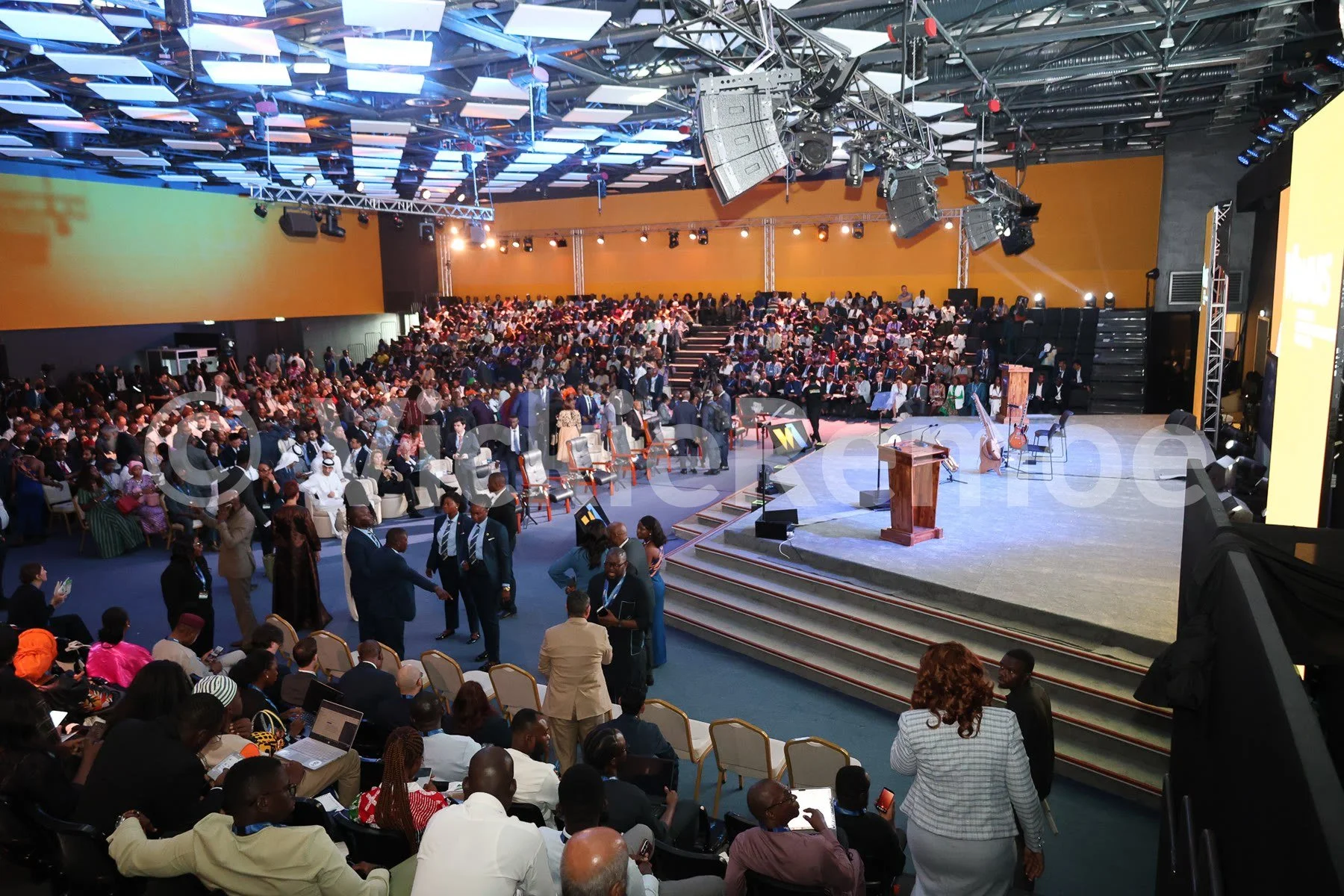
The energy was what you’d imagine: greetings everywhere, lots of networking. Inside the main room I met so many people who knew me, especially young women in the media and young people in general who were just happy to see me. There was a lot of warmth. I saw friends who are local entrepreneurs, returnee entrepreneurs, and plenty of cabinet ministers, including some who had been to our SLDIC conferences in London and the US. I was in a room full of familiar faces.
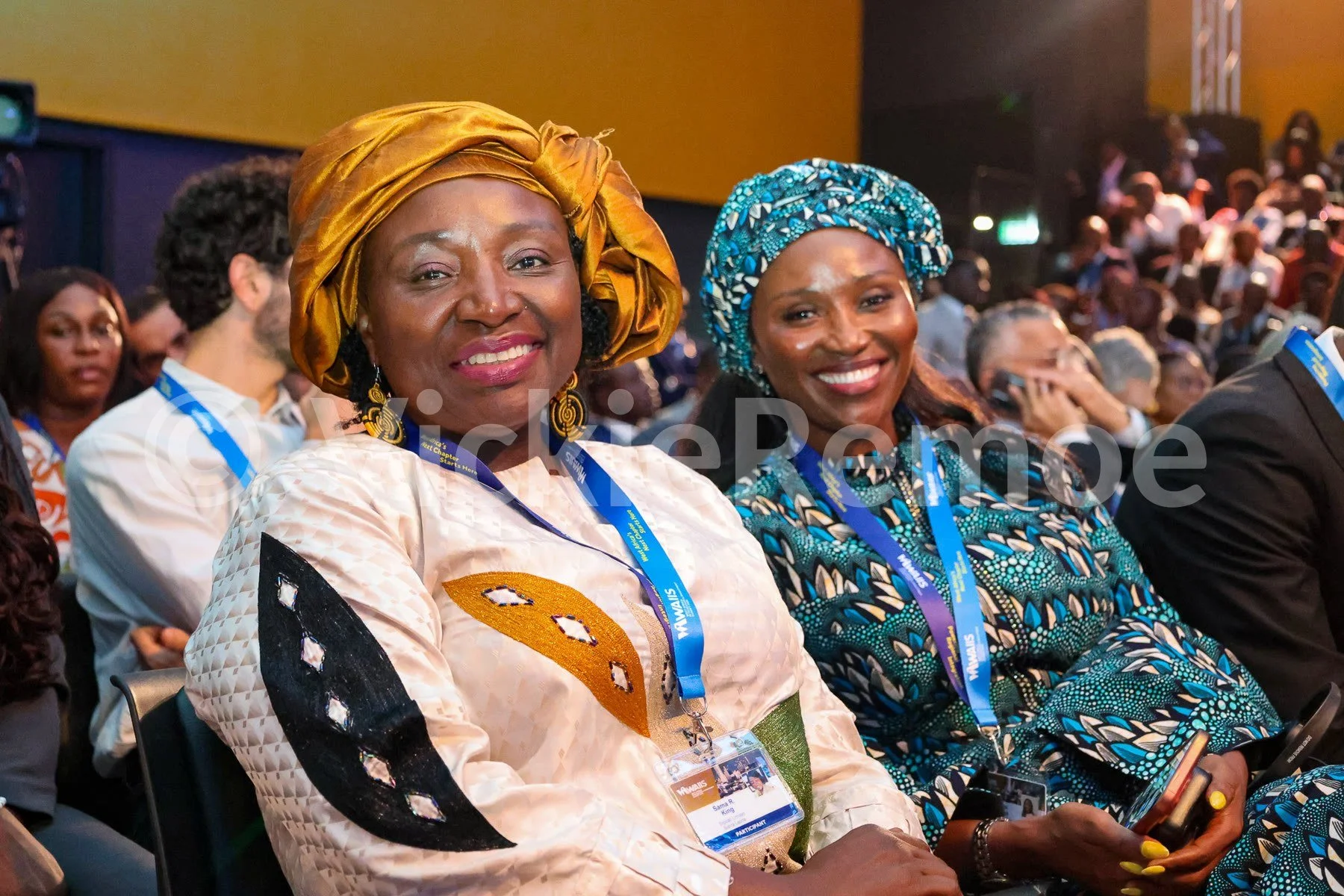
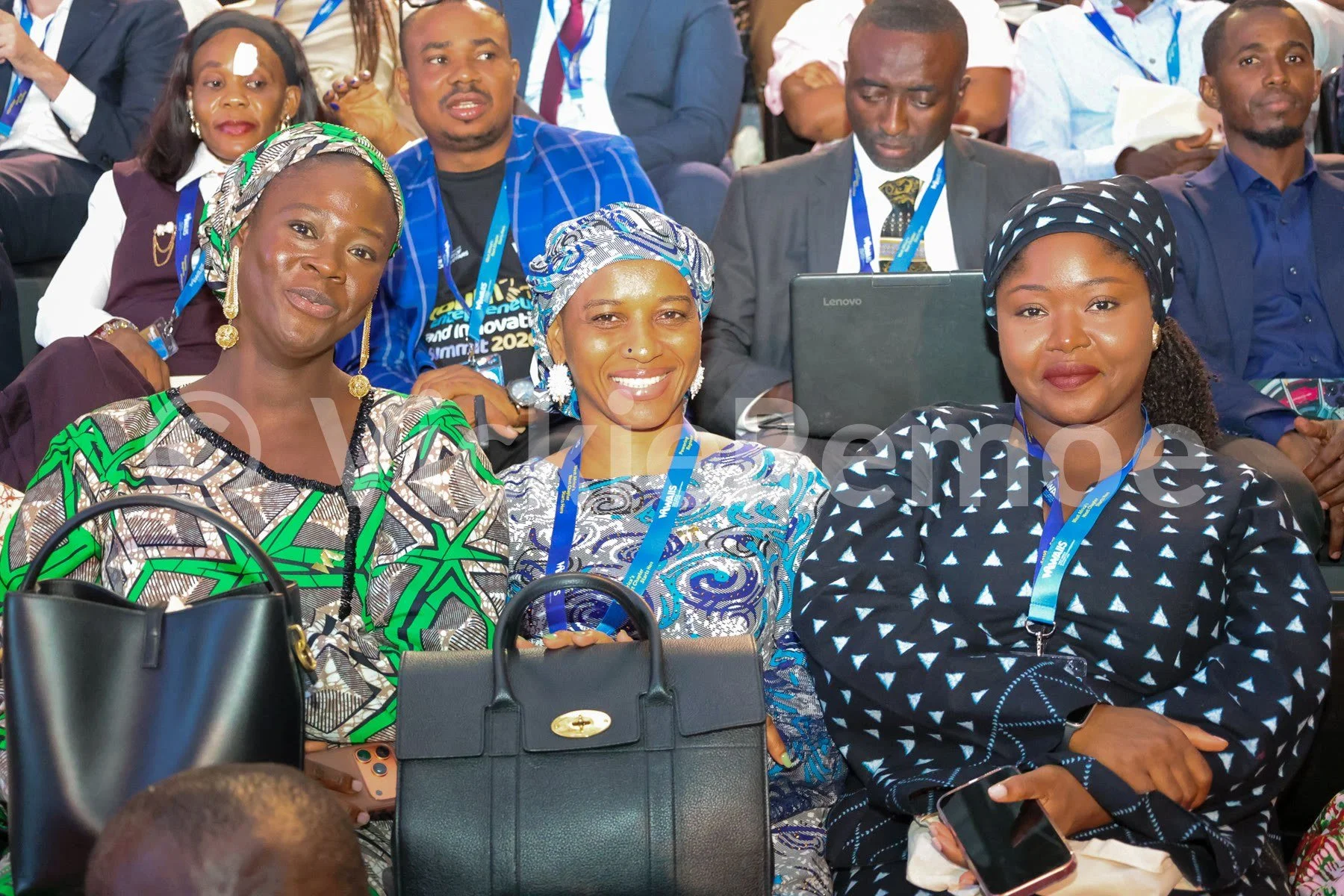
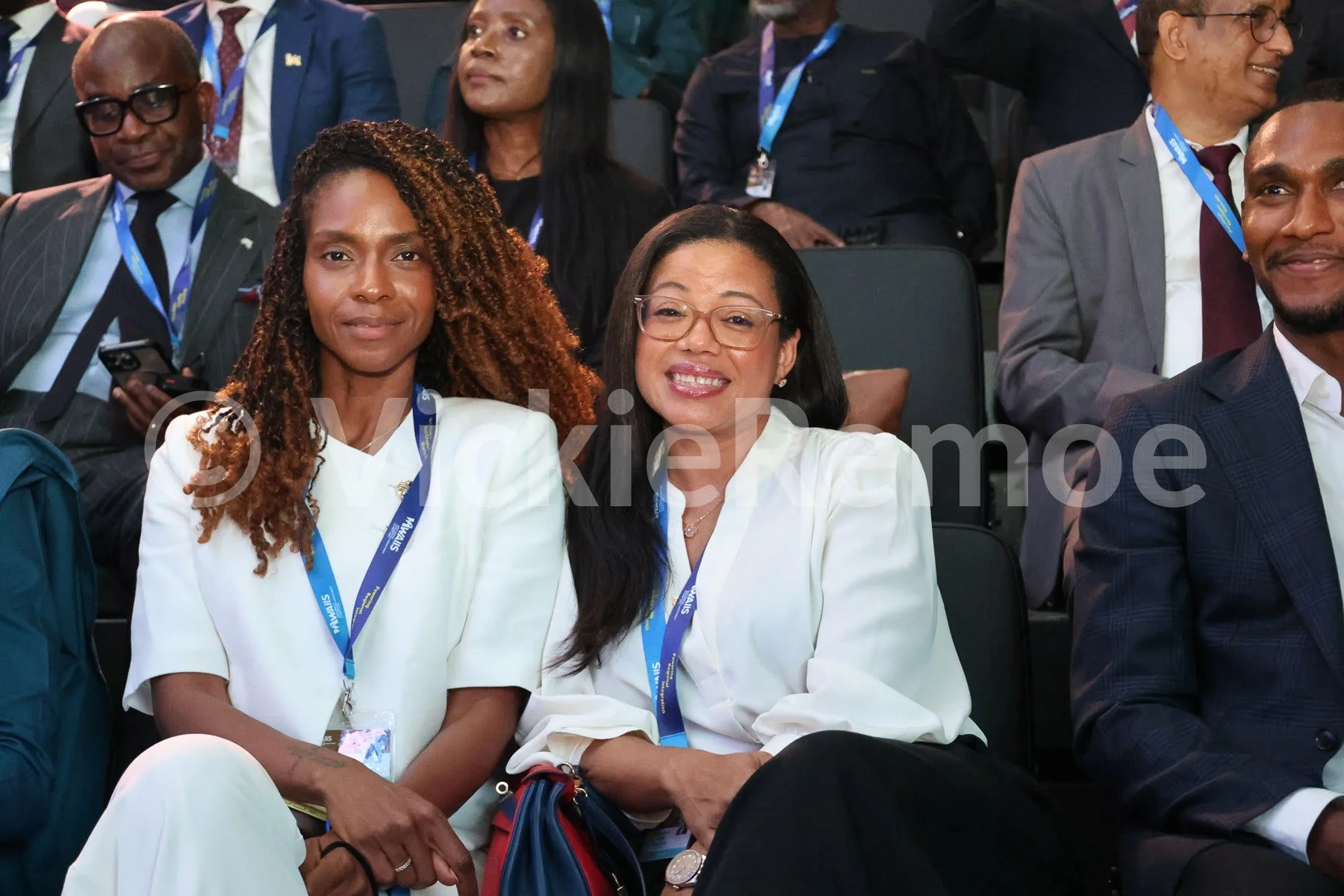
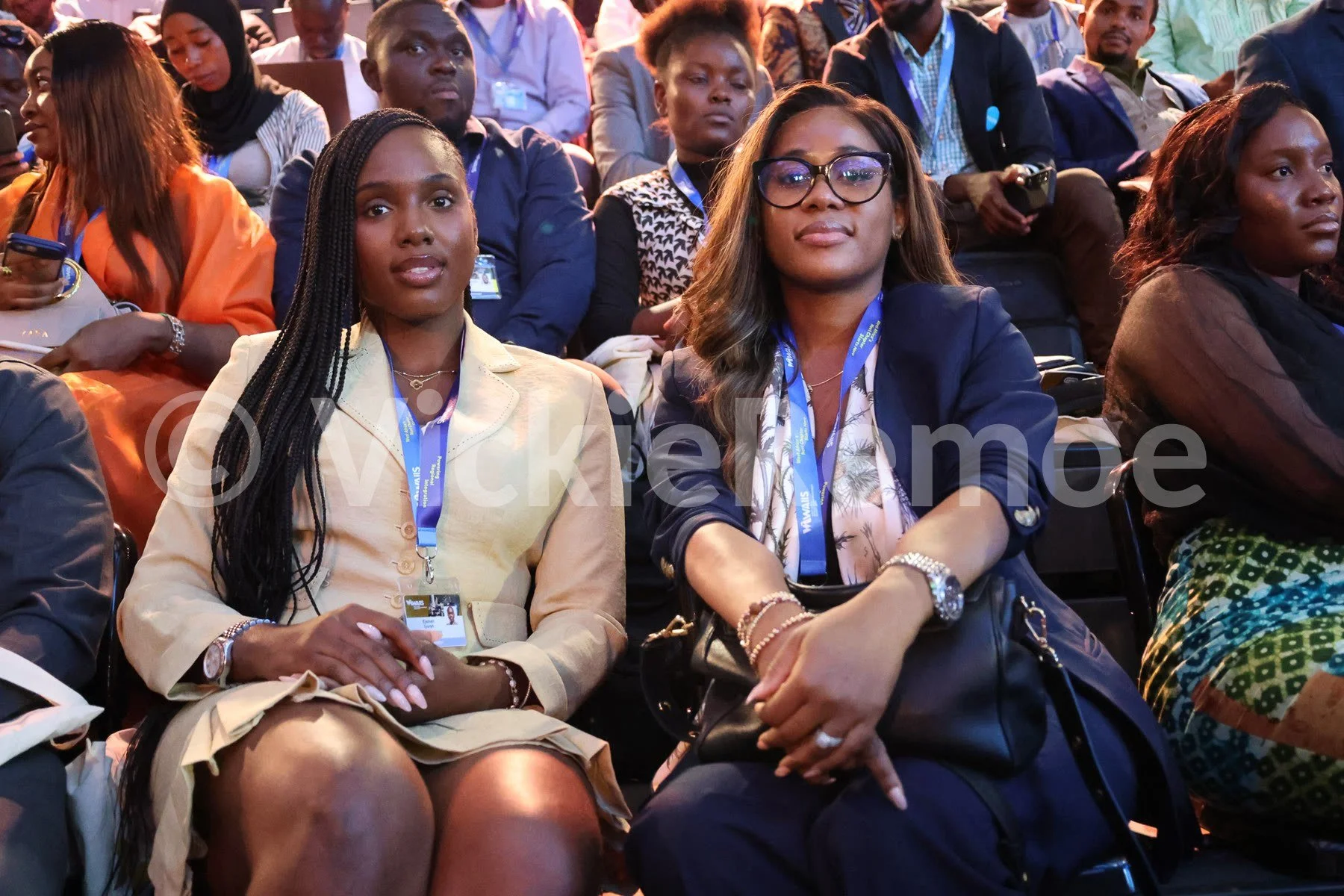
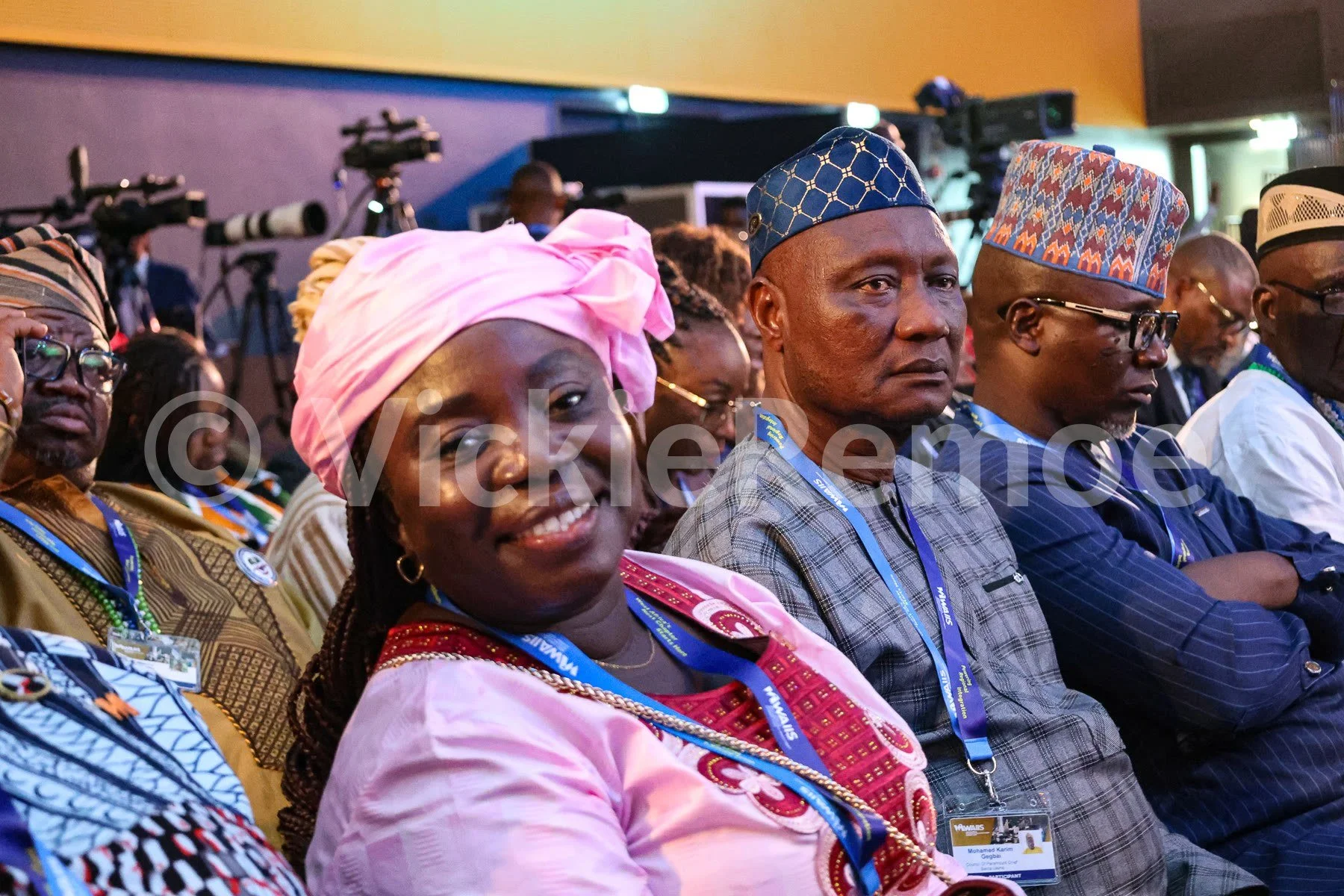
Three moments that stayed with me
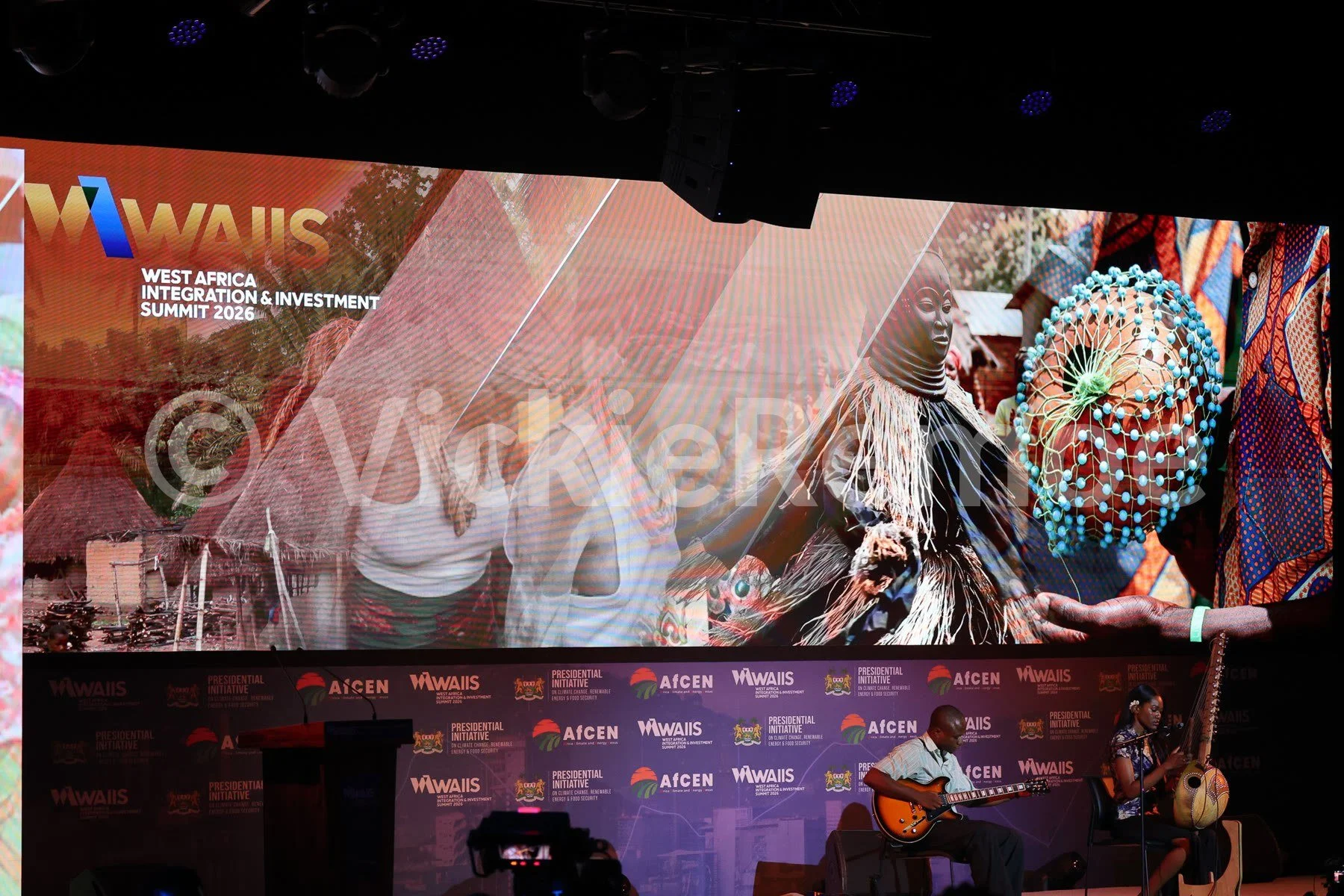
Sierra Leonean culture on the grand stage. Lala Sidibe, a young Sierra Leonean kora player, performed a duet with the folk singer Donnie Major. It was really, really cool to see our culture on a stage like that.
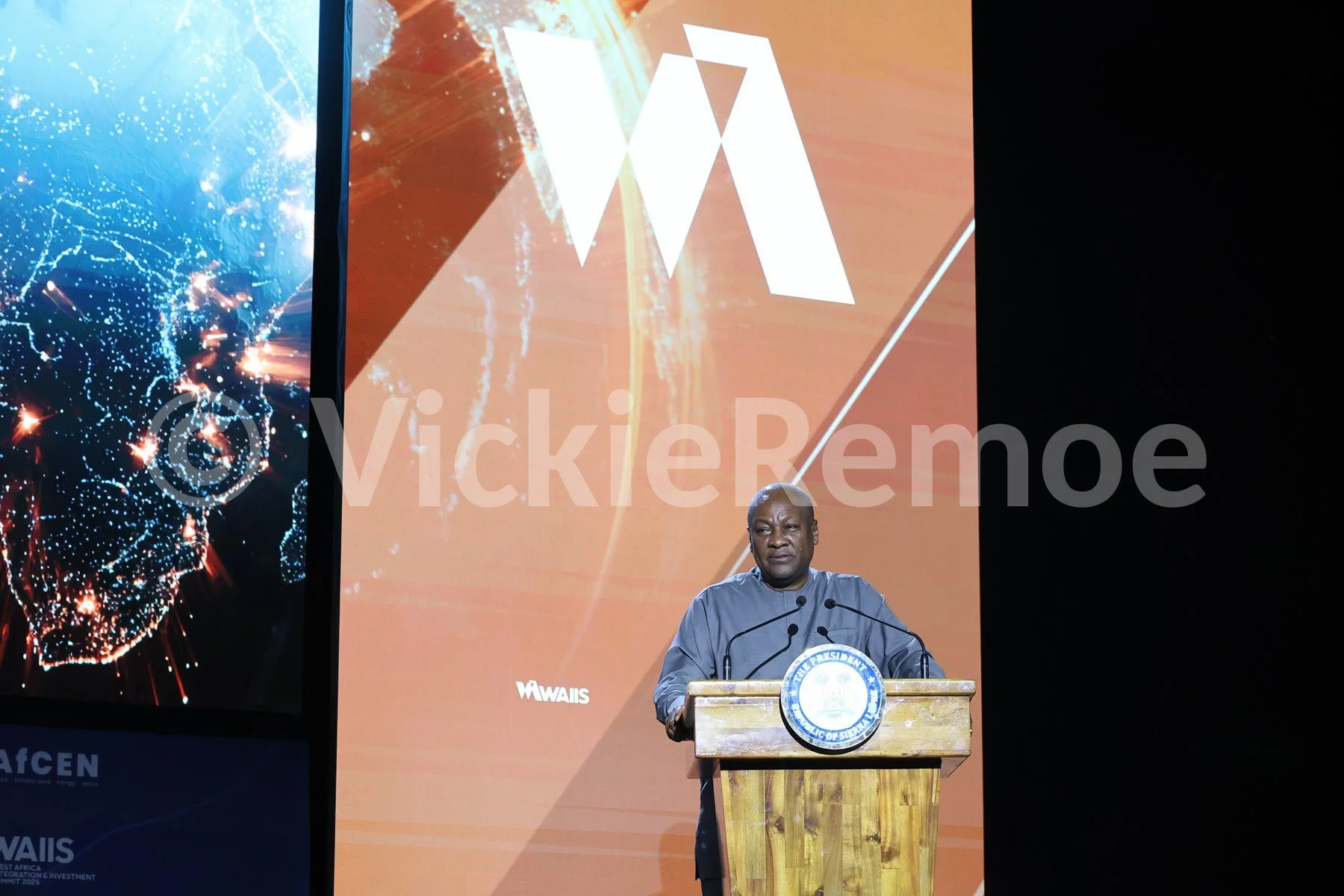
President Mahama’s straight talk. He named the barriers to integration plainly, from the ECO currency to the simple fact that the infrastructure for integration just isn’t there yet. I liked that real talk.
President Bio’s joint jollof venture. He made the case for choosing integration over competition, and he used the jollof wars to show how West Africa could collaborate. The last time he was in Ghana, he said, he had given them the jollof title. Now that he was home, he wasn’t going to be that diplomatic: Sierra Leone has the best jollof. Then he proposed a truce, a West African joint venture with each country bringing an ingredient. The room was giggling. It won.
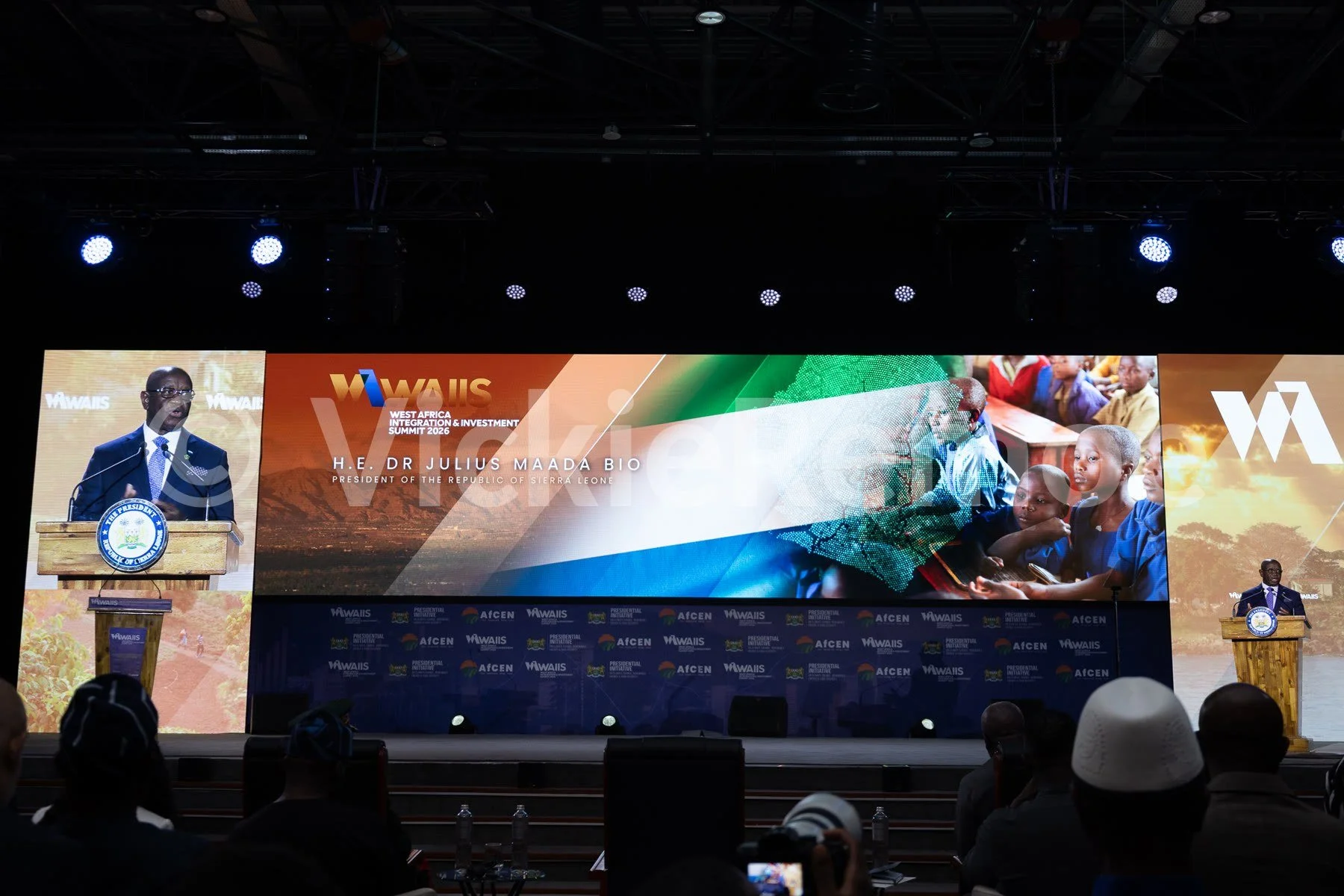
It resonated with me because the jollof wars started in the diaspora, among West Africans abroad. To see a conversation that began with us become something presidents talk about on the continent shows the power of the diaspora. We are the wings on which this region is exported to the world.
Divate money
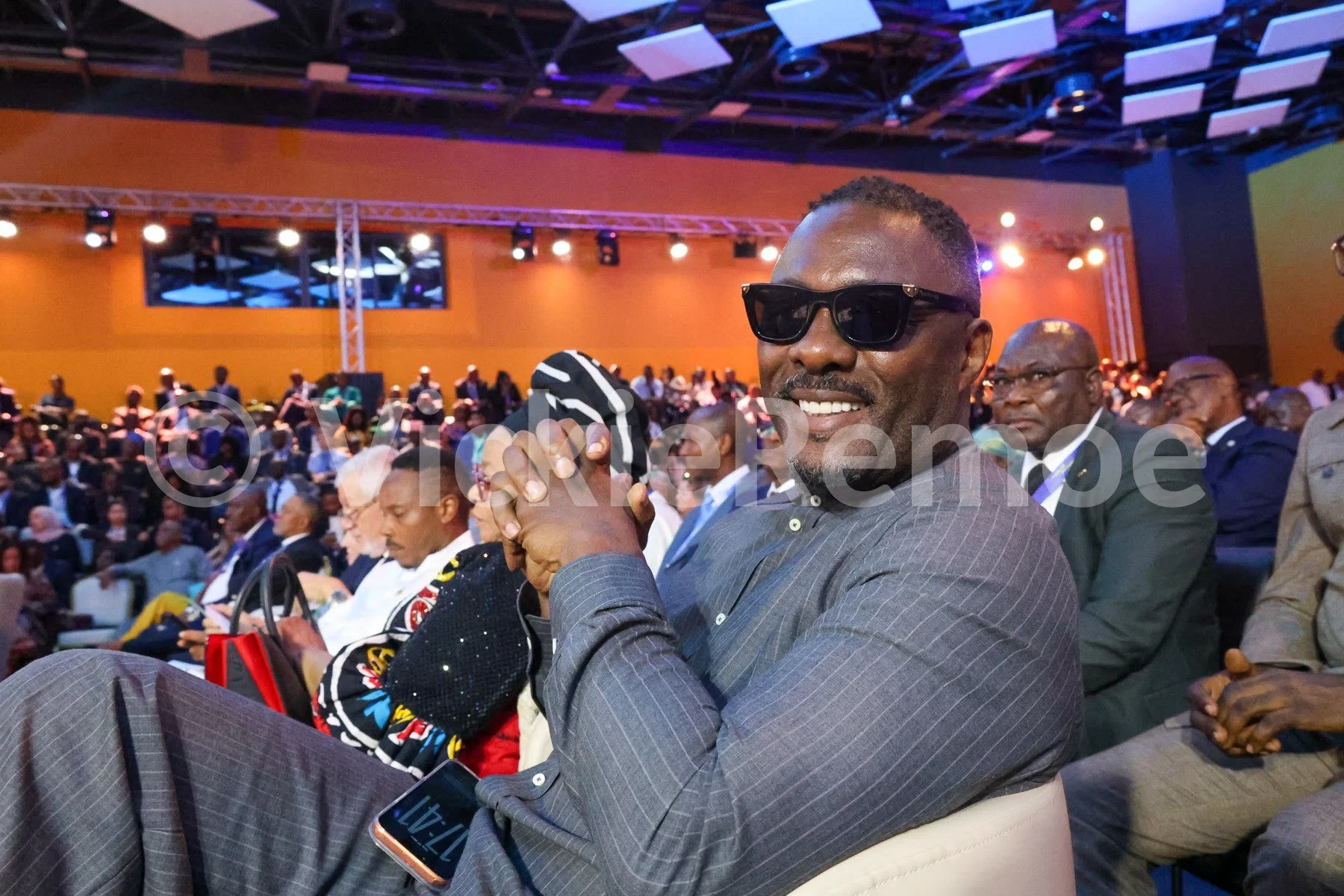
When Idris Elba said “divate”, I was relieved. Speaker after speaker had gone, and no one had spoken to the importance of the diaspora. He described the divate sector as the private sector and the diaspora coming together, and I agree with him: that combination could unlock incredible possibilities.
Where I push back is on what he said we bring. He said the diaspora may not offer finance the way corporations do, but that we offer passion, legacy and history. That is true. But the diaspora also has the capital.
Take Sierra Leone alone. At SLDIC London this year, the Governor of the Bank of Sierra Leone said Sierra Leoneans abroad send home about $500 million a year. That is diaspora capital. Nigeria’s first diaspora bond in 2017 raised $300 million and was oversubscribed. This year, Burkina Faso’s first diaspora bond, structured by Vista Group, raised FCFA 151 billion, beating its target. Ethiopians abroad helped fund the Grand Ethiopian Renaissance Dam through bonds and donations. We are more than passion.
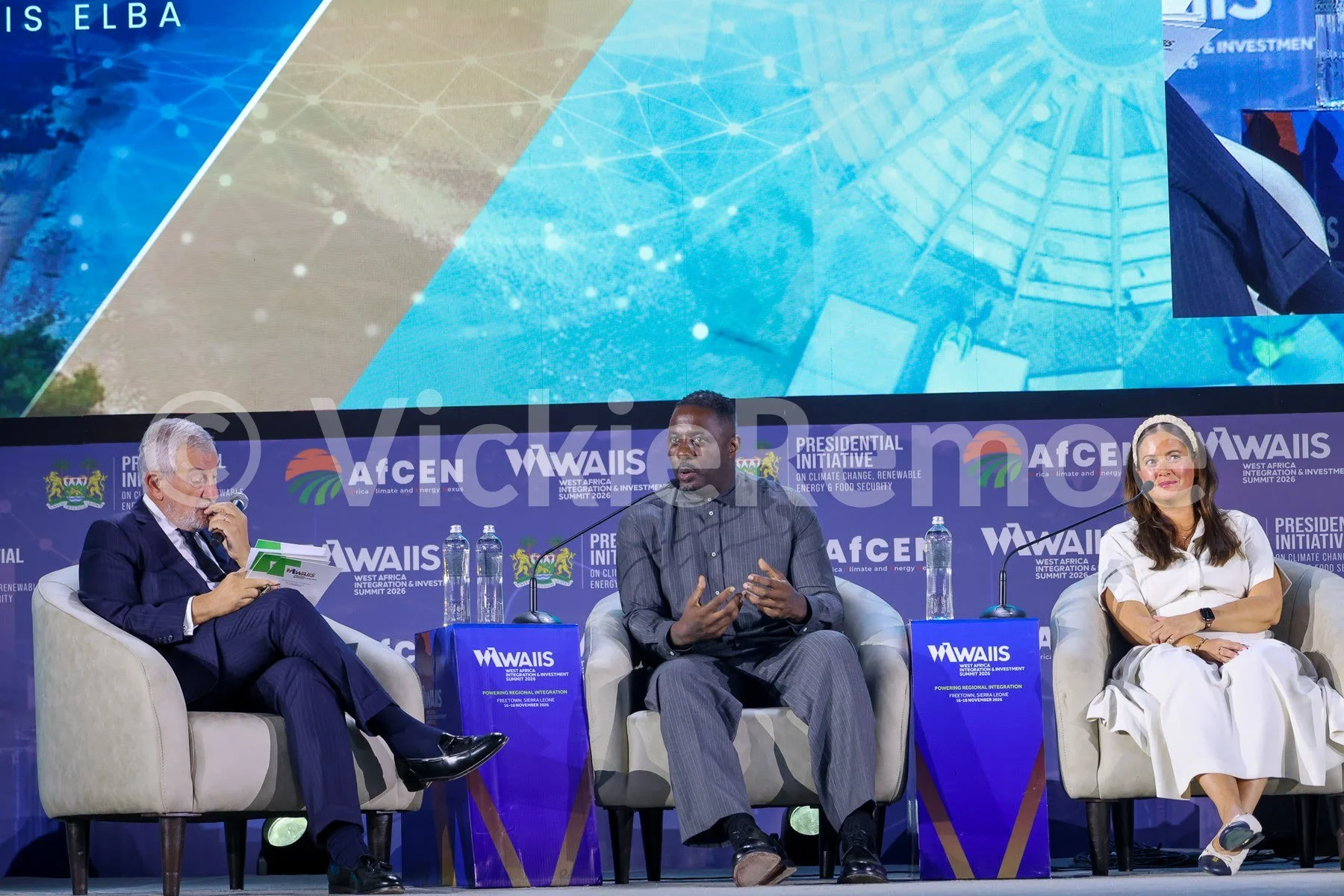
At one point Elba asked, “Is there anyone from London here?” It was very quiet. “Is there anyone from the US here?” I screamed really loudly. If you watch my video, you’ll hear me.
That silence said a lot. If Sierra Leone is serious about diaspora engagement, the diaspora should have been invited to this event, and should have been on the stage. We have the capital, the ideas and the businesses. Idris Elba represented us, and I was there in my own capacity, so we weren’t completely left out. I just wish there had been more of us in that room.
But that is also a word to the diaspora. Nobody invited me. I saw the conference, I care about Sierra Leone and investment, and I came. If we say Sierra Leone belongs to us and we’re serious about its economy, then we have to show up when these conversations are happening. Don’t always wait for an invitation.
Through a producer’s eyes
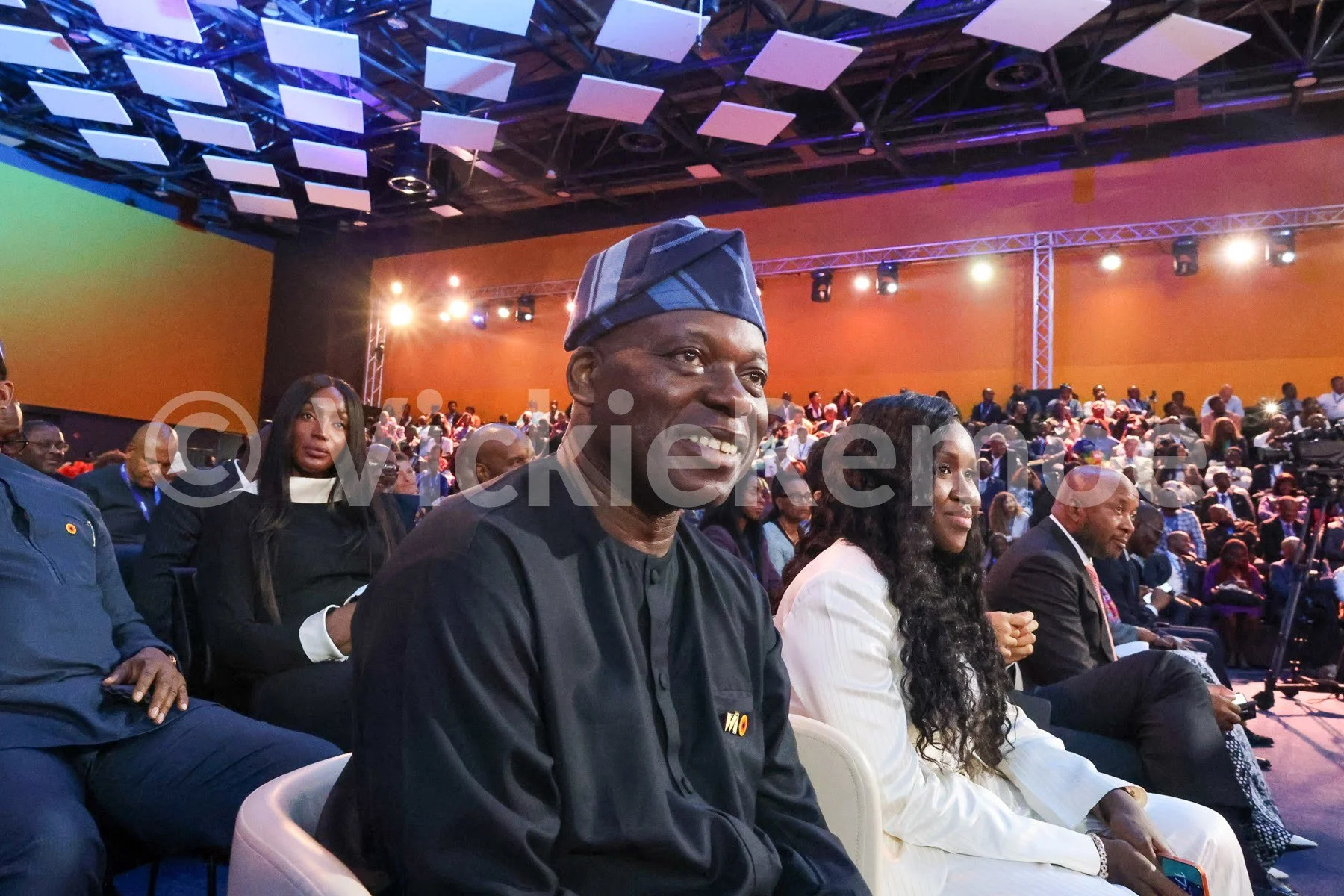
I went in as a conference producer more than an attendee, so I was watching everything: sound, AV, screens, branding, timing.
The overall production was world class, as good as anything I’ve attended on the sidelines of UNGA, even with a small delay in the schedule. The thing they did brilliantly was sound. At so many events in Sierra Leone, sound is a problem, and honestly I wasn’t happy with ours in London even though we contracted externally. At WAIIS I could hear every word from anywhere in the room. That matters, because the most important thing at a conference is what is said on the stage.
There were more people than seats, and extra chairs had to be brought in. When I arrived, no one checked my ID or scanned anything, so it would have been hard to match the number in the room to the number registered. And when government delegations are involved, a VVIP can walk in with a dozen people, and you have to seat them. Still, they managed it well.
I loved the West African flags hanging from the ceiling of the exhibition hall. No booth stood out in particular, though I noticed Sierra Rutile’s stand, and I didn’t see much interaction with the booths inside. That’s a note for SLDIC Freetown: we have to give exhibitors prominence, or build the exhibition into the conference itself, so they aren’t left out. At Mining Week in May, the President and Vice President were taken around the exhibitors, which told everyone else that those exhibitors mattered.
What I would have done differently
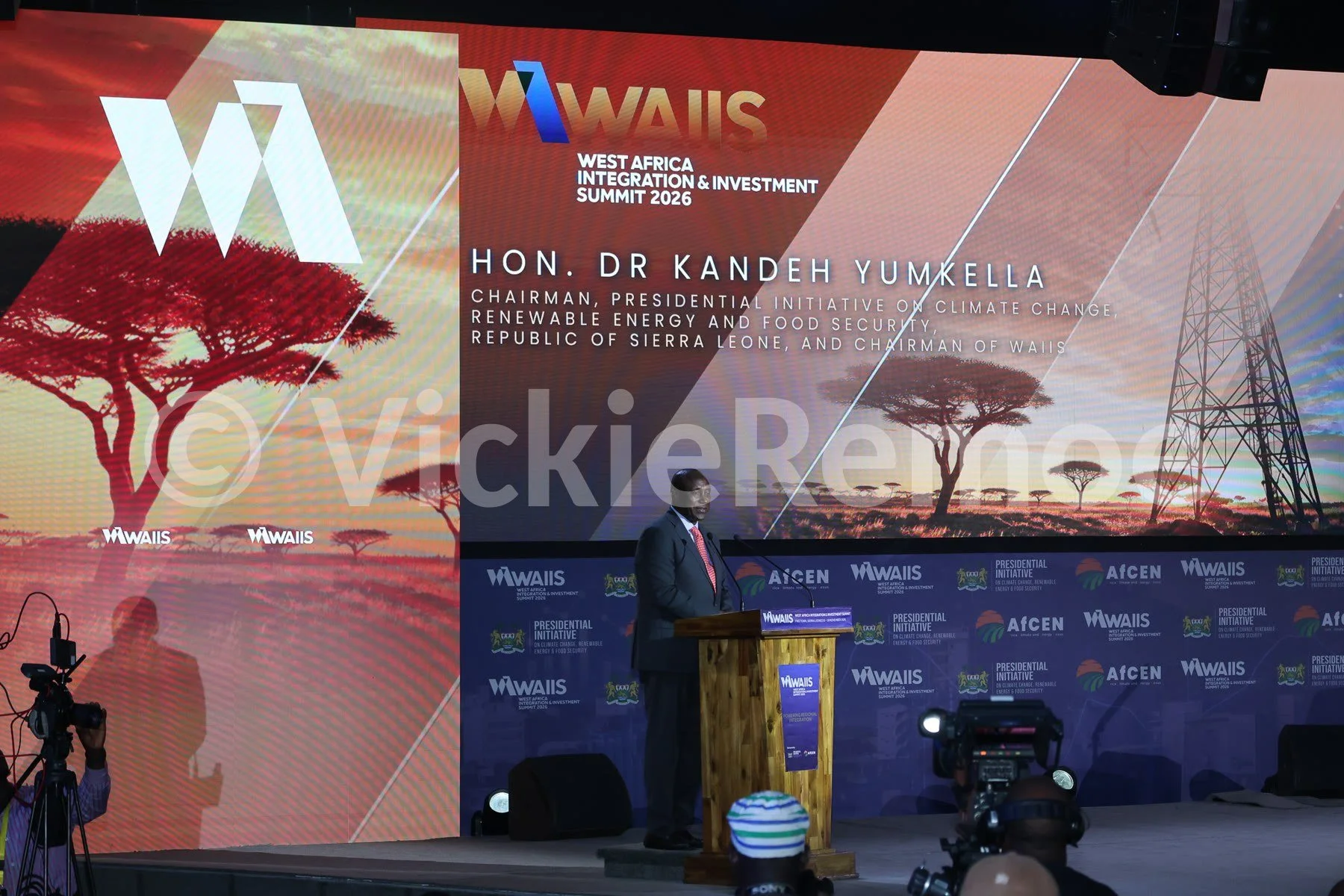
I was surprised not to see a major indigenous Sierra Leonean business leader speak on the opening day. It was great to have Tony Elumelu represent West African enterprise. But we also needed a Sierra Leonean company on that stage as proof of what integration looks like.
In his speech, President Bio said Sierra Leone has critical minerals, then paused and said our most precious critical minerals are our people. It would have been great to have one of those people on the stage. NP, National Petroleum, is the obvious example: founded and managed by Sierra Leoneans, and scaled to Côte d’Ivoire, Liberia and Guinea. A Sierra Leonean brand, built at home and grown across the region.
It’s fine to focus on West Africa as a whole. But when you host on home soil, your people have to shine too. The President represents the state and the nation. We also need someone to represent our private sector.
What it means for Sierra Leone
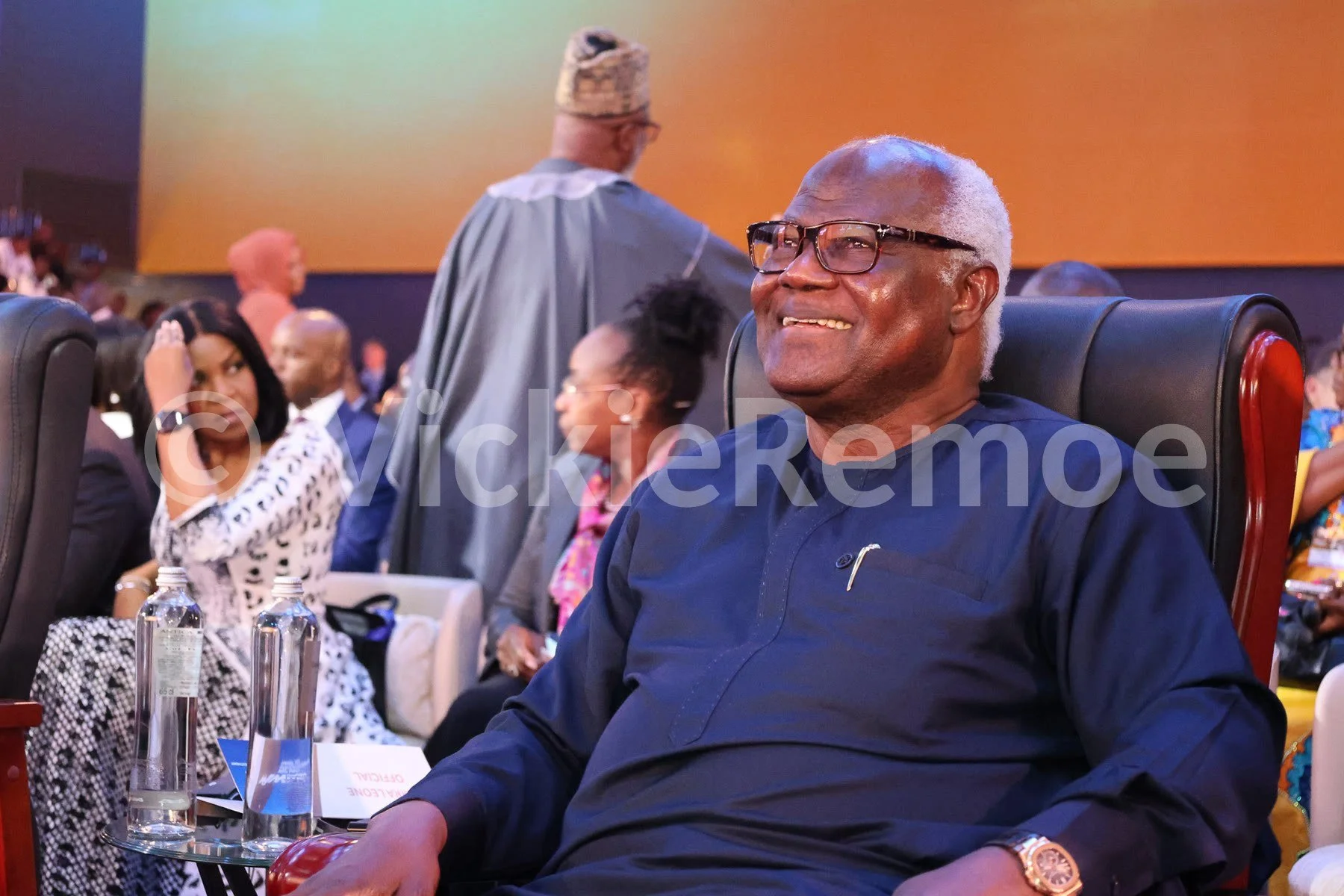
One of my favourite moments was seeing former President Ernest Bai Koroma seated in the front row. He has just returned to Sierra Leone, and I got to take his photo and say hello. The room loved it. Everyone was so happy when he was announced and walked in. It was a great show of bipartisanship: in moments of national importance, our leaders can come together and put Sierra Leone, and West Africa, first.
For a long time Sierra Leone has been on the periphery of the West African integration conversation. This summit sends a message to the sub-region: don’t count out Sierra Leone. It says Sierra Leone is a destination, and that we have the capacity to host West Africa. Those are big things we haven’t been able to say before. This is a great beginning.
Why the diaspora should care
Sierra Leone is a gateway to West Africa. For those of us abroad, our pathway into the region isn’t through Nigeria or Ghana. You come home first. You start at home, you build at home, and then you scale across West Africa, knowing the market isn’t just 8 or 9 million people, it’s 400 million.
Yes, integration is still a challenge for trade. But if you can build in Sierra Leone, with all our challenges, and thrive here, imagine what you could do in Nigeria, Senegal and Ghana.
Why SLDIC still matters
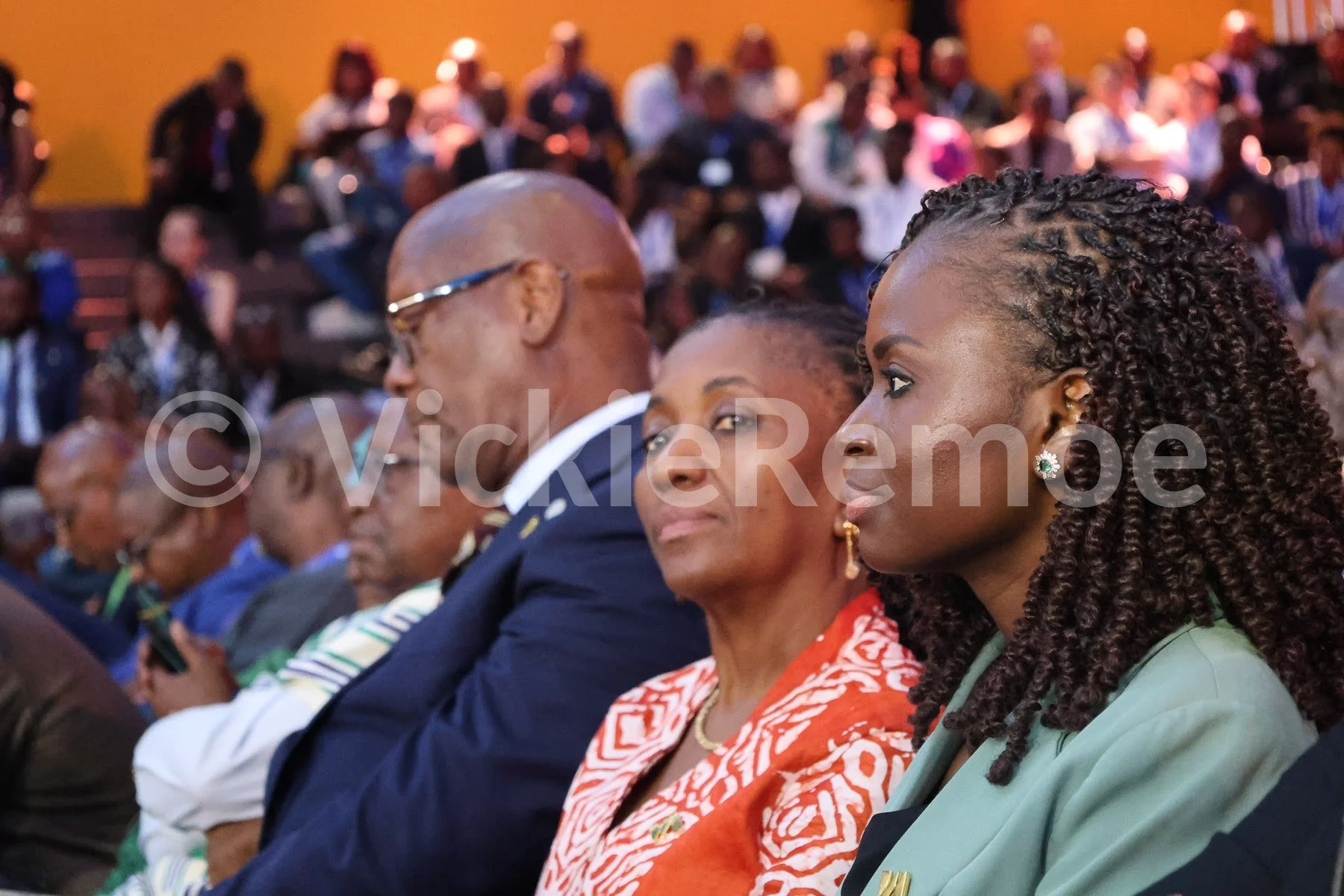
The day didn’t change anything for me. It confirmed why the work we do at the Sierra Leone Diaspora Investment Conference remains so critical. More often than not, the diaspora is left out of these conversations. We need a dedicated space where diaspora businesses, investors and interests are front and centre. If we don’t create those spaces, we won’t be included in the national conversation, or the regional one.
If I had to sum up the day in one line: Sierra Leone is coming out. We’re here, in West Africa.
See you at SLDIC Freetown, 28–29 December.